Life win

Blog

Your blog category

banner
Blog

Kshar Sutra Treatment for Fistula: Procedure, Uses and Recovery

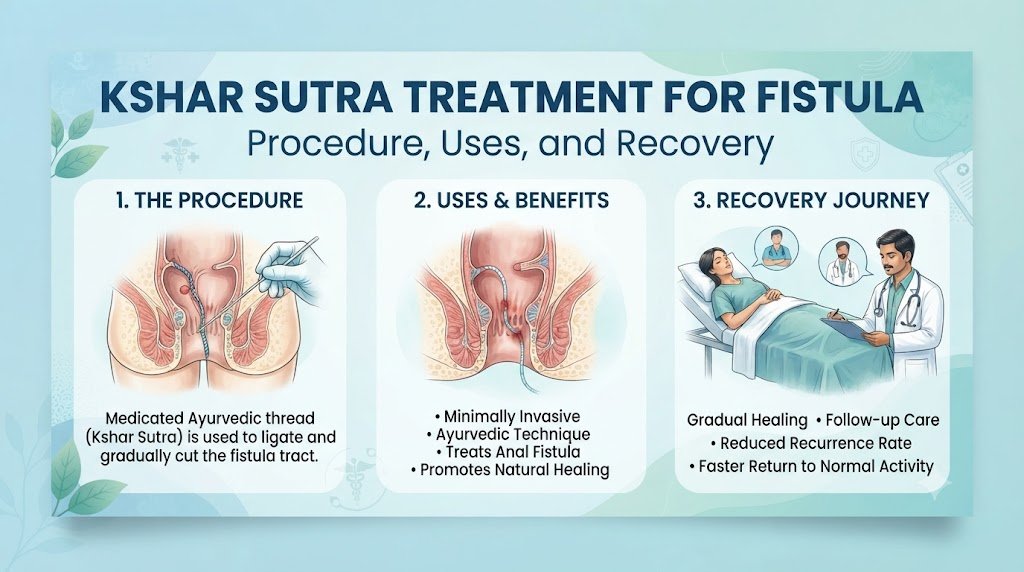
An anal fistula is a condition that can cause persistent discomfort, discharge, swelling, and recurring infections around the anal area. Because fistula may not resolve on its own, proper medical evaluation is important to understand the location and nature of the fistula tract and determine an appropriate treatment approach. Kshar Sutra treatment is a traditional Ayurvedic para-surgical technique that uses a specially prepared medicated thread. It is used in selected cases of fistula-in-ano and involves regular follow-up and management of the fistula tract. If you are looking for an Ayurvedic Doctor in Ghaziabad for fistula-related concerns, understanding the treatment process, suitability, follow-up, and recovery can help you make an informed decision. What Is an Anal Fistula? An anal fistula is an abnormal tunnel or tract that develops between the anal canal and the skin near the anus. It may develop following an infection or abscess in the area. Common symptoms may include: The symptoms can vary depending on the location and complexity of the fistula. A proper clinical examination is therefore important before deciding on any treatment. What Is Kshar Sutra Treatment? Kshar Sutra is a traditional Ayurvedic technique involving a specially prepared medicated thread. The thread is placed through the fistula tract under appropriate clinical supervision. The technique is intended to gradually manage the fistula tract while allowing regular assessment and treatment at scheduled intervals. Kshar Sutra should not be considered a one-size-fits-all procedure. The suitability of the treatment depends on factors such as the fistula’s location, tract, complexity, previous treatment history, and the patient’s overall condition. How Does Kshar Sutra Work for Fistula? The treatment generally involves a systematic process of assessment, placement, follow-up, and replacement of the medicated thread when required. A typical treatment pathway may include: The exact treatment plan can vary from one patient to another. Kshar Sutra Procedure for Fistula: Step-by-Step Initial Consultation and Diagnosis The first step is a detailed consultation. The practitioner may ask about symptoms, previous infections, abscesses, treatments, and general health. A physical examination is important to understand the fistula’s external opening and other clinical characteristics. Additional investigations may be recommended when clinically necessary. Preparation Before the Procedure Before the procedure, the practitioner provides instructions based on the patient’s condition. These may include hygiene-related instructions, dietary guidance, medication advice, or other preparation. Patients should follow the instructions provided by their healthcare professional rather than relying on general information available online. Placement of Kshar Sutra During the procedure, the specially prepared Kshar Sutra is guided through the fistula tract under appropriate clinical supervision. The technique and placement depend on the individual anatomy and characteristics of the fistula. Proper clinical assessment is therefore an important part of the process. Regular Follow-Up and Thread Change Kshar Sutra treatment involves follow-up rather than being a single-visit procedure. Regular appointments allow the practitioner to assess the treatment area and replace the thread when required. Following the recommended schedule can help the practitioner monitor the treatment process and address any concerns promptly. Who May Be Considered for Kshar Sutra Treatment? Kshar Sutra may be considered in selected cases of fistula after proper clinical assessment. Factors that may influence treatment suitability include: Not every fistula is the same, so treatment should be planned after an appropriate examination by a qualified practitioner. Benefits and Potential Advantages of Kshar Sutra Kshar Sutra is a traditional Ayurvedic para-surgical approach that has been used for managing selected fistula cases. Depending on the individual case, potential advantages may include: However, treatment outcomes can vary. Patients should discuss the expected course, possible risks, alternatives, and recovery requirements with their healthcare professional. Kshar Sutra Treatment vs Conventional Fistula Surgery Different fistula cases may require different approaches. Kshar Sutra and conventional surgical procedures should not be considered identical treatments. Some important factors that may be considered include: A qualified healthcare professional can evaluate the condition and explain which treatment options may be appropriate. Recovery After Kshar Sutra Treatment Recovery is an important part of fistula management. Since Kshar Sutra treatment generally involves follow-up visits, patients should remain in contact with their treating practitioner throughout the treatment process. Post-treatment care may include: Maintain Local Hygiene Keeping the area clean according to professional instructions is important during treatment. Follow Dietary Advice A suitable diet may help support comfortable bowel movements. Your practitioner may recommend dietary changes according to your individual needs. Avoid Constipation Straining during bowel movements can cause additional discomfort. Adequate hydration and an appropriate fibre intake may be recommended depending on the patient’s condition. Attend Follow-Up Appointments Regular appointments allow the practitioner to monitor progress and make necessary adjustments. Follow Medication Instructions If medicines or other supportive treatments are prescribed, they should be taken exactly as directed. How Long Does Kshar Sutra Treatment Take? There is no single treatment duration that applies to every fistula patient. The treatment period can vary depending on factors such as: Therefore, it is better to discuss the expected treatment timeline with your practitioner after examination rather than relying on a fixed number of days or weeks. Diet and Lifestyle During Fistula Treatment Following healthy bowel habits can be an important part of supportive care. Depending on your individual condition, your healthcare professional may recommend: Dietary requirements can differ between individuals, so personalized advice is preferable to a generic diet plan. When Should You Consult a Doctor for Fistula? You should consider medical evaluation if you experience symptoms such as: Early evaluation can help identify the condition and determine whether further investigation or treatment is required. Why Choose a Specialized Fistula Treatment Centre? Fistula treatment requires proper assessment because the condition can differ significantly from one patient to another. When choosing a clinic, consider factors such as: Lifewin Ayurveda Panchkarma Clinic in Ghaziabad offers Ayurvedic and Panchkarma-based healthcare services and lists piles and fistula treatment among its treatment areas. The clinic’s website identifies Dr. Anuj Tyagi as its practitioner and describes personalized care based on individual health concerns. Kshar Sutra Treatment for Fistula in Ghaziabad For people searching for

Blog

Discover the Best Experienced Ayurvedic Doctors in Ghaziabad

Experienced Ayurvedic Doctors in Ghaziabad Are you looking for Experienced Ayurvedic Doctors in Ghaziabad? In the bustling city, where the pace of life often leaves little room for personal well-being, the ancient science of Ayurveda offers a sanctuary of holistic healing.    Among the experienced Ayurvedic doctors in Ghaziabad, Dr. Anuj Tyagi stands out with his profound knowledge and compassionate approach. At Lifewin, a renowned wellness centre, Dr Tyagi is dedicated to restoring health and harmony in the lives of his patients through the timeless principles of Ayurveda. The Essence of Ayurveda Ayurveda, a 5,000-year-old system of natural healing that originated in India, is more than just a medical practice. It’s a way of life that emphasizes balance and wellness through the synergy of body, mind, and spirit. Unlike conventional medicine, which often focuses on symptom management, Experienced Ayurvedic Doctors in Ghaziabad aim to address the root cause of ailments, promoting long-term health and prevention. Dr. Anuj Tyagi: A Beacon of Ayurvedic Wisdom With his extensive training and experience, Dr. Anuj Tyagi has earned a reputation as one of Ghaziabad’s most respected and Experienced Ayurvedic Doctors. A prestigious Ayurvedic medical college graduate, Dr. Tyagi combines traditional knowledge with modern medical insights, offering a comprehensive approach to health care. His expertise covers a wide range of health issues, including chronic diseases, metabolic disorders, stress-related conditions, and lifestyle diseases. Lifewin: A Center for Comprehensive Ayurvedic Care Lifewin, under the guidance of Dr. Anuj Tyagi, provides a serene environment where patients can embark on their journey to wellness. The clinic offers a variety of Ayurvedic treatments and therapies, each tailored to meet the unique needs of individual patients. The primary goal at Lifewin Experienced Ayurvedic Doctors in Ghaziabad is not just to treat illness but to enhance overall well-being, prevent future health issues, and promote a balanced lifestyle. Personalized Treatment Plans One key aspect that sets Dr. Anuj Tyagi apart is his commitment to personalized care. At Lifewin, each patient undergoes a thorough assessment, including a detailed history and physical examination, to determine their unique dosha (body constitution) and current state of health. Based on this assessment, Dr. Tyagi develops a customized treatment plan that may include dietary recommendations, herbal remedies, Panchakarma therapies, lifestyle modifications, and yoga. Panchakarma: Detoxification and Rejuvenation Panchakarma, a cornerstone of Ayurvedic treatment, is a detoxification and rejuvenation therapy designed to cleanse the body of toxins and restore balance. At Lifewin, Dr. Tyagi offers various Panchakarma procedures, such as Abhyanga (therapeutic massage), Shirodhara (oil pouring on the forehead), Basti (herbal enemas), and Nasya (nasal administration of medicated oils). These therapies help detoxify the body, enhance mental clarity, reduce stress, and improve overall vitality. Holistic Health Through Diet and Nutrition Dr. Anuj Tyagi (Experienced Ayurvedic Doctors in Ghaziabad) places significant emphasis on the role of diet and nutrition in maintaining health and preventing disease. He educates his patients about the importance of a balanced diet tailored to their dosha, incorporating seasonal and locally sourced foods. By following Dr. Tyagi’s dietary guidelines, patients can experience improved digestion, enhanced energy levels, and a stronger immune system. Managing Chronic Conditions Chronic conditions such as diabetes, hypertension, arthritis, and digestive disorders can significantly impact the quality of life. Dr. Anuj Tyagi’s expertise in managing these conditions through Ayurveda offers a natural and effective alternative to conventional treatments. By addressing the underlying imbalances in the body, Dr. Tyagi helps his patients achieve better control over their health and reduce their dependence on pharmaceutical medications. Stress Management and Mental Wellness Stress has become a common factor affecting overall health in today’s fast-paced world. Dr. Anuj Tyagi recognizes the importance of mental wellness and incorporates various Ayurvedic techniques to help patients manage stress. Through meditation, mindfulness, and yoga, combined with herbal support, Dr. Tyagi guides his patients towards achieving mental peace and emotional stability. Conclusion Experienced Ayurvedic Doctors in Ghaziabad For those seeking a natural, holistic approach to health and wellness, Dr. Anuj Tyagi at Lifewin offers a beacon of hope. His extensive experience, compassionate care, and personalized treatment plans make him a trusted choice among Experienced Ayurvedic Doctors in Ghaziabad. By embracing the principles of Ayurveda, patients at Lifewin can embark on a journey towards optimal health, balance, and harmony.

Diet in Panchakarma Therapy
Blog

The Role of Diet in Panchakarma Therapy: Foods to Eat and Avoid

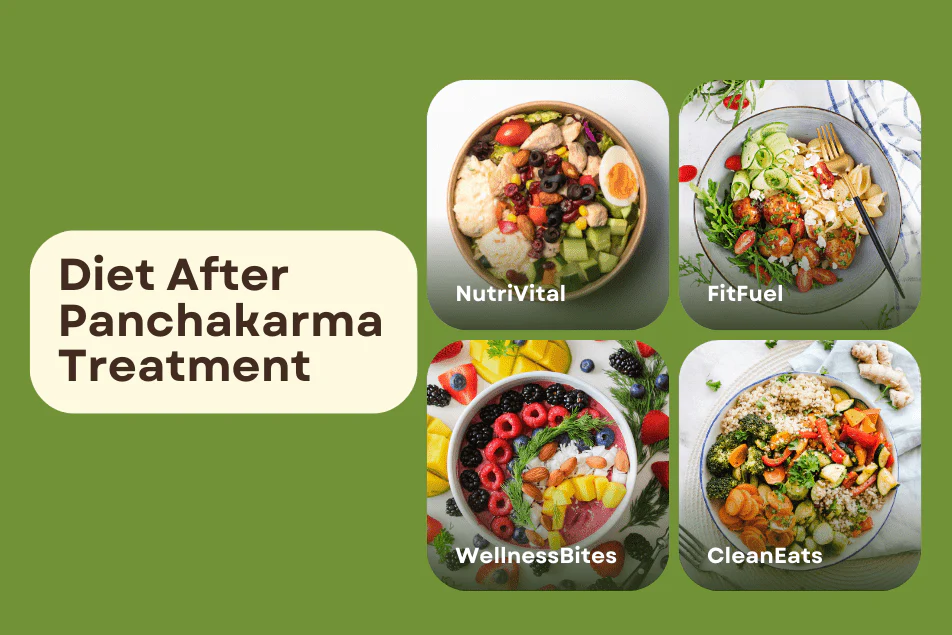
The Role of Diet in Panchakarma Therapy: Foods to Eat and Avoid Panchakarma therapy is a cornerstone of Ayurvedic medicine, renowned for its ability to detoxify and rejuvenate the body. At Lifewin Panchkarma Center, we believe that diet plays a crucial role in enhancing the benefits of Panchakarma therapy and ensuring optimal results.    Dietary decisions made before, during, and following therapy greatly influence the therapeutic effects of Panchakarma. In this blog, we will explore the function of diet, emphasizing which foods to eat and which to avoid to support and optimize the effectiveness of panchakarma therapy. Understanding Panchakarma Therapy Panchakarma, meaning “five actions” in Sanskrit, refers to five therapeutic procedures designed to cleanse the body of toxins, balance the doshas (body energies), and restore overall health. The therapy consists of: Vamana (Emesis Therapy): Induces vomiting to expel toxins from the upper gastrointestinal tract. Virechana (Purgation Therapy): Uses herbal laxatives to cleanse the lower gastrointestinal tract. Basti (Enema Therapy): Administers medicated enemas to cleanse the colon and restore balance. Nasya (Nasal Therapy): Involves administering medicated oils or powders through the nostrils to clear sinuses and nasal passages. Raktamokshana (Blood Letting Therapy): Removes toxins from the blood to purify and rejuvenate. The effectiveness of these treatments is greatly enhanced when complemented by a diet tailored to support the body’s detoxification processes and maintain balance. The Importance of Diet in Panchakarma Therapy Dietary choices play a significant role in Panchakarma therapy for several reasons:   Enhancing Detoxification: Consuming the right foods can support the body’s natural detoxification processes, making it easier for the Panchakarma treatments to work effectively.   Balancing Doshas: Ayurveda emphasizes the balance of the three doshas—Vata, Pitta, and Kapha. Diet plays a key role in maintaining this balance, which is crucial for the success of Panchakarma therapy.   Supporting Digestion: A healthy digestive system is essential for the effectiveness of Panchakarma treatments. A proper diet can aid digestion, which is vital for absorbing and eliminating toxins. Foods to Eat During Panchakarma Therapy Warm, Cooked Foods Soups and Stews: Easily digestible and soothing to the digestive system, soups and stews made with seasonal vegetables and herbs can support detoxification. Khichdi: A traditional Ayurvedic dish made from rice and lentils, khichdi is light, nourishing, and easy on the digestive system, making it ideal during Panchakarma. Herbal Teas Ginger Tea: Known for its digestive benefits, ginger tea can help stimulate digestion and reduce nausea. Peppermint Tea: Peppermint tea is soothing and can aid digestion and reduce bloating. Fresh Fruits and Vegetables Apples and Pears: These fruits are easy to digest and help to detoxify the body. They are also rich in fibre, which aids in digestion. Leafy Greens: Spinach, kale, and other leafy greens are nutrient-dense and support liver function, which is crucial for detoxification. Whole Grains Oats and Quinoa: These grains are easy to digest and provide essential nutrients and fibre. They help maintain energy levels while supporting overall health. Healthy Fats Ghee: Clarified butter is used in Ayurvedic cooking and is known for its nourishing and digestive benefits. It helps lubricate the digestive tract and supports detoxification.  Foods to Avoid During Panchakarma Therapy Heavy, Fried Foods Deep-Fried Snacks: Foods high in unhealthy fats can disrupt digestion and increase the burden on the liver, counteracting the benefits of Panchakarma therapy. Oily Foods: Excessive oil can lead to imbalances in the digestive system and hinder the detoxification process. Dairy Products Milk and Cheese: Dairy products can be difficult to digest for some individuals and may contribute to the accumulation of toxins in the body. It’s best to avoid them or consume them in moderation. Processed Foods Packaged Snacks: Processed foods often contain preservatives, artificial flavours, and high sugar levels, which can impair digestion and increase toxin buildup. Canned Foods: Canned foods can contain added chemicals and preservatives that are not conducive to detoxification. Excessive Sugar and Salt Sugary Foods: Excess sugar can contribute to inflammation and disrupt the balance of doshas. It’s advisable to avoid sugary treats and beverages. Salty Foods: High salt intake can lead to water retention and imbalance in the body’s fluids, affecting detoxification. Caffeinated and Alcoholic Beverages Coffee and Tea: While moderate caffeine consumption may be acceptable for some, excessive intake can dehydrate and disrupt the balance of the doshas. Alcohol: Alcohol is a toxin that can impair liver function and counteract the benefits of Panchakarma therapy. Tips for Implementing Dietary Changes Plan Your Meals: Preparing balanced meals in advance can help ensure you adhere to dietary recommendations and avoid unhealthy choices.     Stay Hydrated: Drinking plenty of water throughout the day supports detoxification and helps flush out toxins.     Listen to Your Body: How your body responds to different foods. Adjust your diet as needed based on your individual needs and the guidance of your Panchakarma practitioner.     Consult with Your Practitioner: Always seek advice from your Panchakarma practitioner at Lifewin regarding any dietary concerns or restrictions to tailor the diet to your specific needs. Conclusion Diet plays a pivotal role in the effectiveness of Panchakarma therapy. By making informed dietary choices and avoiding certain foods, you can enhance the therapy’s benefits and support your body’s natural detoxification processes. At Lifewin, we emphasize the importance of a balanced diet with Panchakarma therapy to help you achieve optimal health and well-being. For personalized dietary recommendations and to learn more about how Panchakarma therapy can benefit you, contact us at Lifewin. Our team of experts is here to guide you through every step of your wellness journey, ensuring you receive the maximum benefits from your Panchakarma experience. Best Ayurvedic Doctor in Ghaziabad

Shashtika Shali Pinda Swedana
Blog

Discovering the Best Ayurvedic Massage: A Journey to Holistic Wellness

Ayurvedic massage, an integral part of Ayurveda, the ancient Indian system of medicine, is renowned for its ability to promote holistic wellness. This guide delves into the best Ayurvedic massage practices, highlighting their principles, benefits, techniques, and how to choose the right one for your needs. Understanding Ayurvedic massage can significantly enhance your health and well-being, whether you’re seeking relaxation, stress relief, or therapeutic benefits. The Essence of Ayurveda What is Ayurveda? Ayurveda, meaning “the science of life,” is a 5,000-year-old natural healing system rooted in India’s Vedic culture. It emphasizes balance among the mind, body, and spirit and categorizes individuals into three primary doshas: Vata, Pitta, and Kapha. Each dosha governs specific physiological functions and characteristics, and maintaining balance is crucial for health. Importance of Doshas in Ayurveda Vata Dosha: Associated with air and space, Vata governs movement, breathing, and circulation. Pitta Dosha: Comprising fire and water elements, Pitta controls digestion, metabolism, and energy production. Kapha Dosha: Consisting of earth and water, Kapha is responsible for structure, strength, and immunity. Ayurvedic massage therapy aims to restore and maintain the balance among these doshas, promoting overall well-being. Understanding Ayurvedic Massage Ayurvedic massage uses specific techniques, herbal oils, and rhythms to balance the doshas, relieve stress, and promote health. It integrates physical manipulation with medicinal oils tailored to the individual’s doshic constitution.   Types of Ayurvedic Massage   Abhyanga: A full-body massage using warm herbal oils, it nourishes the skin, enhances circulation, and promotes relaxation. Shirodhara: Involves a steady stream of warm oil poured onto the forehead, calming the mind and reducing stress. Pizhichil: Combines oil and heat therapy by pouring warm oil over the body while massaging, relieving pain and promoting overall health. Udvartana: A deep tissue massage using herbal powders detoxifies the body and improves skin health. Garshana: A dry massage with raw silk gloves that stimulates the lymphatic system and exfoliates the skin. Kansu: Focuses on massaging the feet with a small metal bowl, balancing the body’s energies and promoting sleep. Benefits of Ayurvedic Massage Physical Benefits Improved Circulation: Enhances blood flow and nutrient delivery to tissues. Detoxification: Eliminates toxins from the body. Pain Relief: Alleviates muscle and joint pain. Enhanced Skin Health: Nourishes the skin and improves its texture. Mental and Emotional Benefits Stress Reduction: Reduces stress and anxiety. Improved Sleep: Enhances sleep quality by promoting relaxation. Mental Clarity: Increases focus and mental clarity. Spiritual Benefits Energy Balance: Balances the body’s energy channels. Emotional Release: Promotes emotional healing and well-being. Choosing the Best Ayurvedic Massage Understanding Your Dosha Before selecting an Ayurvedic massage therapy, it’s important to understand your dosha. A qualified Ayurvedic practitioner can help determine your doshic constitution and identify any imbalances that need addressing. Consultation with a Practitioner A thorough consultation with an experienced Ayurvedic practitioner is essential. They can recommend the most suitable therapy based on your health needs and goals. Evaluating the Therapist’s Qualifications Ensure that the therapist has proper certification and training in Ayurvedic massage. Look for practitioners with experience and a good reputation in the field. Personalization of Treatment The best Ayurvedic massage therapy is personalized to your specific needs. It includes selecting the appropriate herbal oils, techniques, and massage duration. Reading Reviews and Testimonials Reading reviews and testimonials from other clients can provide insights into the therapist’s skills and the effectiveness of their treatments. Integrating Ayurvedic Massage into Your Wellness Routine Regular Sessions –Incorporating regular Ayurvedic massage sessions into your wellness routine can have long-lasting benefits. Depending on your needs, weekly or monthly sessions may be recommended.   Supporting Lifestyle Practices – Ayurvedic massage therapy works best with other practices, such as a balanced diet, regular exercise, yoga, and meditation.   Post-Massage Care   –After a massage session, it’s important to rest and stay hydrated. Follow your practitioner’s additional recommendations, such as dietary changes or herbal supplements.   Conclusion  Ayurvedic massage therapy offers a holistic approach to achieving health and wellness. By understanding your dosha, consulting with a qualified practitioner, and choosing the right type of massage therapy, you can experience the profound benefits of this ancient practice. For more information on Ayurvedic massage therapy and other holistic health practices, visit LifeWin.

Ayurvedic Treatment for Kidney Disease in Ghaziabad​
Blog

Ayurvedic Treatment For Kidney Disease in Ghaziabad

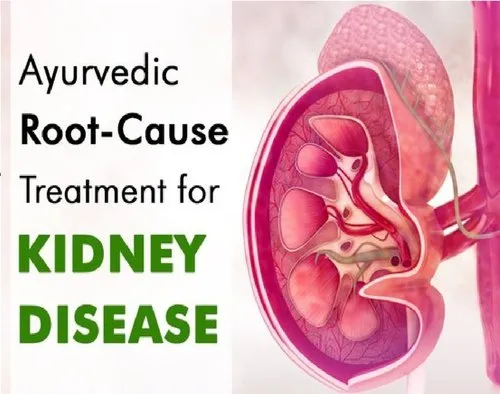
Ayurvedic Treatment for Kidney Disease in Ghaziabad Ayurvedic treatment for kidney disease offers a holistic approach to managing this condition. Integrating traditional Ayurvedic practices can provide additional avenues for patients seeking relief in Ghaziabad, where modern medical facilities are abundant. Understanding the nuances of kidney disease and the Ayurvedic approach is crucial for informed decision-making. Understanding Kidney Disease Symptoms and Causes Kidney disease manifests through symptoms like fatigue, swelling, and changes in urination patterns. Causes range from hypertension and diabetes to genetic predispositions and lifestyle factors. Risk Factors and Prevention Managing risk factors such as high blood pressure, obesity, and smoking can significantly reduce the likelihood of developing kidney disease. Preventive measures also include maintaining a balanced diet and staying hydrated. Ayurveda Approach to Kidney Disease Panchakarma Therapy Panchakarma, a cornerstone of Ayurvedic treatment, involves detoxification and rejuvenation techniques. This therapy aims to balance the doshas (Vata, Pitta, and Kapha) and restore harmony within the body. Diet and Lifestyle Changes Ayurveda emphasizes dietary modifications, herbal supplements, and lifestyle adjustments to support kidney health. Personalized treatment plans consider individual constitutions and imbalances. Ayurvedic Treatment in Ghaziabad Availability and Accessibility: Ghaziabad boasts numerous Ayurvedic clinics and wellness centres offering specialized kidney disease treatments. Patients have access to experienced practitioners and traditional remedies. Benefits of Ayurvedic Treatment Holistic Healing Ayurvedic therapies address physical symptoms and emotional and spiritual aspects of health. This holistic approach promotes long-term wellness and prevents recurrence. Minimal Side Effects Unlike conventional treatments that may have adverse effects, Ayurvedic remedies are natural and gentle on the body. Patients often report fewer side effects and a better quality of life. Frequently Asked Questions (FAQs) What is Panchakarma? Panchakarma is a comprehensive Ayurvedic detoxification therapy that removes toxins from the body and restores balance to the doshas. Are There Any Dietary Restrictions During Treatment? Ayurvedic treatment may involve dietary modifications tailored to individual needs, focusing on foods that support kidney health and digestion. How Effective is Ayurvedic Treatment for Kidney Disease? Ayurvedic treatment can effectively manage kidney disease by addressing underlying imbalances and promoting kidney function. How Long Does Treatment Typically Last? The duration of Ayurvedic treatment varies depending on the severity of the condition and individual response. Treatment plans may span several weeks to months. Can Ayurvedic Treatment Be Combined with Conventional Medicine? Ayurvedic and conventional treatments can complement each other to provide comprehensive care. However, it’s essential to consult with healthcare providers for personalized guidance. Is Ayurvedic Treatment Safe for Everyone? Ayurvedic therapies are generally safe when administered by trained practitioners. However, individuals with specific medical conditions or allergies should seek professional advice before starting treatment.

Best panchkarma centre in Ghaziabad
Blog

Best Panchkarma Centre in Ghaziabad – Complete Guide to Ayurvedic Healing

Ayurveda is one of the oldest and most trusted systems of natural healing, and Panchkarma therapy is its most powerful detoxification method. If you are searching for the Best panchkarma centre in Ghaziabad, this guide will help you understand what makes a centre truly effective, what treatments to expect, and why choosing the right Ayurvedic expert matters for long-term wellness. Introduction to Panchkarma Therapy Panchkarma is a Sanskrit term meaning “five actions,” referring to five therapeutic procedures designed to detoxify the body, balance doshas (Vata, Pitta, Kapha), and restore natural health. People today are increasingly turning to Ayurveda because of its holistic and side-effect-free approach. A trusted Best panchkarma centre in Ghaziabad focuses not just on treatment but on complete lifestyle correction, diet planning, and mental wellness. Why Panchkarma is Important in the Modern Lifestyle Modern lifestyle diseases like stress, obesity, skin disorders, arthritis, digestive problems, and chronic fatigue are often caused by toxin accumulation in the body. Panchkarma helps in: This is why people actively search for the best Panchkarma centre in Ghaziabad to get authentic Ayurvedic treatment under expert supervision. Key Panchkarma Treatments You Should Know A professional Ayurvedic clinic provides a wide range of treatments based on individual body types and conditions. Some major therapies include: 1. Vamana (Therapeutic Emesis) Helps remove toxins from the upper respiratory and digestive tract. 2. Virechana (Purgation Therapy) Cleanses the liver and intestines, improving digestion. 3. Basti (Medicated Enema) Considered one of the most effective treatments for Vata disorders like joint pain and arthritis. 4. Nasya (Nasal Therapy) Improves mental clarity and treats sinus-related problems. 5. Raktamokshana (Blood Purification) Helps in treating skin diseases and blood-related disorders. A well-established Best Panchkarma Centre in Ghaziabad offers all these therapies in a controlled and safe environment. Role of Expert Doctors in Panchkarma Therapy The success of Panchkarma depends largely on the expertise of the Ayurvedic doctor. A skilled practitioner understands body constitution (Prakriti) and designs personalized treatment plans. One such experienced Ayurvedic specialist is Dr. Anuj Tyagi, known for his patient-centric approach and deep knowledge of traditional healing systems. Under his guidance, many patients experience long-lasting relief from chronic ailments. Choosing the best panchkarma centre in Ghaziabad ensures that treatments are supervised by qualified professionals like him. Benefits of Choosing a Trusted Panchkarma Centre When you visit a reputed Ayurvedic clinic, you get more than just therapy. You receive complete healing support, such as: A genuine Best panchkarma centre in Ghaziabad focuses on root-cause healing rather than temporary symptom relief. What Makes a Panchkarma Centre the Best? Not every clinic offering Ayurveda is truly authentic. Here are the qualities that define excellence: ✔ Qualified Ayurvedic Doctors Experienced professionals who understand classical Ayurveda. ✔ Hygienic Therapy Rooms Clean and well-maintained treatment spaces for safe procedures. ✔ Authentic Herbal Medicines Use of natural and traditionally prepared medicines. ✔ Customized Treatment Plans No two patients receive the same therapy. ✔ Holistic Healing Approach Focus on mind, body, and lifestyle together. These are the core factors that define the best Panchkarma centre in Ghaziabad. Who Should Go for Panchkarma Therapy? Panchkarma is beneficial for almost everyone, especially people suffering from: If you are experiencing any of these issues, visiting the Best Panchkarma Centre in Ghaziabad can be a life-changing decision. Lifestyle Guidance Along with Panchkarma A true Ayurvedic approach does not stop at treatment. It includes: This integrated approach is what makes the Best Panchkarma Centre in Ghaziabad highly effective in delivering long-term results. Why Ghaziabad is Emerging as an Ayurvedic Hub Ghaziabad has seen rapid growth in healthcare facilities, including Ayurveda and Panchkarma centres. With increasing awareness of natural healing, more people are shifting towards Ayurvedic solutions instead of chemical-based treatments. This growing demand has led to a search for the best Panchkarma centre in Ghaziabad, which is more common among health-conscious individuals. Final Thoughts Panchkarma is not just a treatment; it is a complete system of purification and rejuvenation. Choosing the right centre is essential for safe and effective healing. If you are looking for long-term wellness, detoxification, and natural recovery, then selecting the best Panchkarma centre in Ghaziabad under expert supervision is the right step. With experienced doctors like Dr. Anuj Tyagi and a proper Ayurvedic setup, patients can achieve balanced health and a disease-free lifestyle. In conclusion, the best Panchkarma centre in Ghaziabad is one that combines ancient Ayurvedic wisdom with modern care, ensuring complete physical, mental, and emotional healing for every individual.

panchakarma treatment for vitiligo
Blog

Panchakarma Treatment for Vitiligo

Best Panchakarma Treatment for Vitiligo in Ghaziabad Are you looking for Panchakarma Treatment for Vitiligo in Ghaziabad? Vitiligo is a skin condition that affects millions worldwide. It causes loss of pigment and the appearance of white patches on the skin. While conventional treatments often focus on symptom management, Ayurveda offers a natural and holistic alternative through Panchakarma Treatment, specifically designed to address the root causes of diseases like Vitiligo.    At Lifewin Panchakarma Center in Ghaziabad for Panchakarma Treatment for Vitiligo, we specialize in providing this ancient healing therapy to help restore balance and harmony in the body. Understanding Vitiligo Before delving into the benefits of Panchakarma Treatment for Vitiligo, it’s essential to understand the condition. Vitiligo occurs when melanocytes, the cells responsible for skin pigmentation, are destroyed. This leads to the development of white patches on various parts of the body. Though not life-threatening, it can have a significant emotional and psychological impact. Conventional treatments like corticosteroids, UV light therapy, and depigmentation creams offer short-term relief but fail to address the root cause. Ayurveda, through Panchakarma, focuses on eliminating toxins and improving overall body functioning, including skin health. Book Panchakarma Treatment for Vitiligo online appointment. What is Panchakarma? Panchakarma is a five-step detoxification therapy in Ayurveda that helps remove toxins (Ama) from the body, restore balance in the doshas (Vata, Pitta, and Kapha), and rejuvenate the system. The five core treatments of Panchakarma are: Vamana (Therapeutic Vomiting): Eliminates toxins from the respiratory and digestive systems. Virechana (Purgation Therapy): Cleanses the liver, gallbladder, and intestines. Basti (Medicated Enema Therapy): Targets the colon and removes deep-seated toxins. Nasya (Nasal Cleansing): Clears the sinuses and respiratory pathways. Raktamokshana (Bloodletting Therapy): Purifies the blood by removing impure blood. Each of these treatments is customized based on the patient’s constitution, health issues, and the imbalance in their doshas. Importance of Panchakarma Treatment for Vitiligo Ayurveda views Vitiligo as a condition caused by imbalances in the Pitta dosha, particularly “Bhrajaka Pitta,” which governs skin health. Toxins in the body and an imbalance in the Pitta lead to improper functioning of the skin’s melanocytes, resulting in Vitiligo. Panchakarma helps by:   Detoxification: Eliminating accumulated toxins from the body that contribute to the condition. Dosha Balance: Restoring harmony among the doshas, particularly Pitta, which is responsible for skin color and health. Rejuvenation: Promoting the regeneration of healthy skin cells and improving the body’s immune response. Boosting Digestion: Panchakarma enhances digestion, which is crucial in treating Vitiligo by ensuring proper nutrient absorption. Panchakarma Treatment for Vitiligo Procedures at Lifewin Lifewin Panchakarma Center offers a comprehensive Panchakarma therapy specifically tailored to treat Vitiligo. The treatment usually includes a combination of the following:     Snehana (Oleation Therapy) It is the preparatory phase of Panchakarma, where medicated oils are applied externally and consumed internally. The oil helps to soften and mobilize toxins in the body, preparing them for elimination. In Vitiligo cases, Snehana enhances skin hydration and soothes the imbalance in Pitta dosha.     Swedana (Sudation Therapy) Swedana follows Snehana and involves inducing sweating using medicated steam. It helps open the pores and allows the toxins to be expelled from the body. This therapy aids in improving skin texture and pigmentation issues in Vitiligo.     Virechana (Therapeutic Purgation) One of the most crucial steps in Panchakarma treatment for Vitiligo, Virechana helps purify the blood and cleanse the liver, which is believed to play a significant role in skin disorders. This procedure helps flush Pitta-related toxins from the digestive system and blood, which is directly linked to skin health.     Raktamokshana (Blood Purification) Vitiligo often results from impure blood, and Raktamokshana helps purify the blood. At Lifewin, this process is done using leeches or syringes, depending on the patient’s condition. By removing toxins from the bloodstream, this therapy contributes to improved skin pigmentation and health.     Basti (Herbal Enema Therapy) Basti is an essential part of Panchakarma and plays a vital role in balancing the Vata dosha, which, when aggravated, can worsen Vitiligo. Medicated herbal oils or decoctions are introduced through the rectum, helping detoxify and improve skin health. Why Choose Lifewin Panchakarma Center for Vitiligo Treatment? Lifewin Panchakarma Treatment for Vitiligo in Ghaziabad stands out for its commitment to traditional Ayurvedic healing and modern expertise. Here’s why you should consider us for Panchakarma treatment for Vitiligo:   Expert Practitioners Our team comprises experienced Ayurvedic practitioners specializing in treating skin disorders, including Vitiligo. They work closely with each patient to create personalized treatment plans that align with their unique constitution and health needs.   Holistic Approach At Lifewin, we don’t just treat the symptoms of Vitiligo; we address the condition’s root cause through a comprehensive detoxification process. Our approach includes dietary recommendations, lifestyle changes, and stress management techniques to promote well-being.   Customized Treatment Plans Each patient’s body constitution is different, and so is their Vitiligo condition. We tailor our Panchakarma treatments to suit your needs, ensuring optimal results. Healing Environment Our center offers a peaceful and healing environment where patients can comfortably undergo Panchakarma therapy. We provide a supportive atmosphere that enhances your healing journey. Use of Herbal Remedies Lifewin uses 100% natural and high-quality Ayurvedic herbs and oils in our treatments, ensuring that you receive safe and effective care. Start Your Journey to Recovery with Lifewin If you or a loved one is struggling with Vitiligo, it’s time to explore a holistic and natural solution. At Lifewin Panchakarma Center in Ghaziabad, we are committed to helping you restore balance, detoxify your body, and rejuvenate your skin through our specialized Panchakarma treatments.     Book your consultation today, Panchakarma Treatment for Vitiligo, and embark on the journey toward healthy, glowing skin! Contact us at +91-8595786909 or visit our website at https://lifewin.co to learn more about our treatments and services. Let us guide you on the path to healing and well-being.

ayurvedic panchkarma hospital
Blog

Best Ayurvedic Panchkarma Hospital

Best Ayurvedic Panchkarma Hospital in Ghaziabad Are you looking at Ayurvedic Panchkarma Hospital? – Welcome to Lifewin, the premier Ayurvedic Ayurvedic Panchkarma Hospital in Ghaziabad, where we blend ancient wisdom with modern techniques to offer you the highest standard of holistic care. Our mission is to promote wellness and restore balance through the transformative power of Ayurveda and Panchakarma. If you seek a comprehensive approach to health that addresses both the root causes and symptoms of your ailments, Lifewin is your ideal destination. Understanding Panchakarma Panchakarma is a cornerstone of Ayurvedic medicine, a traditional Indian system of healing that dates back thousands of years. The term “Panchakarma” translates to “five actions” or “five therapies,” and it refers to a series of therapeutic procedures designed to detoxify and rejuvenate the body. These therapies include: Vamana (Therapeutic Emesis): This procedure involves inducing controlled vomiting to expel toxins from the upper gastrointestinal tract. Virechana (Therapeutic Purgation): A process that uses herbal medicines to cleanse the lower gastrointestinal tract, removing accumulated toxins. Basti (Medicated Enemas): Herbal oil or decoction enemas detoxify and nourish the lower digestive system. Nasya (Nasal Therapy): Herbal oils or powders are administered through the nasal passages to eliminate toxins and enhance mental clarity. Raktamokshana (Blood Letting): This procedure purifies the blood and balances the body’s doshas, particularly in cases of chronic skin conditions and certain types of inflammation. At Lifewin Ayurvedic Panchkarma Hospital, our approach to Panchakarma is tailored to individual needs, ensuring that each patient receives personalized care for the most effective results. Why Choose Lifewin Ayurvedic Panchkarma Hospital for Panchakarma? Expert Practitioners Lifewin Top Ayurvedic Panchkarma Hospital team of highly qualified doctors and therapists brings years of experience and deep knowledge to their practice. They are dedicated to understanding your unique health needs and crafting personalized treatment plans that align with your health goals. State-of-the-Art Facilities Lifewin Ayurvedic Panchkarma Hospital in Ghaziabad is equipped with modern facilities that adhere to the highest cleanliness and safety standards. Our treatment rooms are designed to provide a serene and comfortable environment, ensuring a relaxing experience throughout your Panchakarma journey. Holistic Approach At Ayurvedic Panchkarma Hospital, we believe in a holistic approach to health. Our Panchakarma treatments are complemented by personalized dietary recommendations, lifestyle adjustments, and wellness advice to support your overall well-being. Comprehensive Diagnostics Before starting treatment, we conduct thorough diagnostic assessments to understand your health status and identify imbalances. It ensures our therapies are targeted and effective, addressing your health issues’ symptoms and root causes. Patient-Centric Care Your comfort and satisfaction are our top priorities. From the moment you step into Lifewin, our team is committed to providing attentive, compassionate care. We take the time to listen to your concerns and ensure that you feel supported throughout your treatment. Benefits of Panchakarma at Lifewin Ayurvedic Panchkarma Hospital 1. Detoxification Panchakarma helps remove accumulated toxins from the body, improving overall health and vitality. By cleansing the digestive system and other organs, our treatments enhance your body’s natural ability to heal and regenerate. 2. Rejuvenation Our therapies promote rejuvenation and revitalization, helping to restore balance and harmony within the body. This leads to improved energy levels, better sleep, and a more youthful appearance. 3. Stress Relief Panchakarma is known for its calming effects on the mind and body. The therapies help reduce stress and anxiety, promoting relaxation and mental clarity. 4. Improved Digestion By addressing imbalances in the digestive system, Panchakarma can enhance digestive function, alleviate symptoms like bloating and gas, and improve overall gastrointestinal health. 5. Enhanced Immunity Regular Panchakarma treatments can strengthen the immune system, making your body more resilient to illnesses and infections. What to Expect During Your Visit Initial Consultation Your journey with Lifewin Ayurvedic Panchkarma Hospital begins with a detailed consultation with one of our Ayurvedic doctors. We will discuss your health history, current symptoms, and lifestyle during this session. This information helps us tailor a treatment plan specifically for you. Personalized Treatment Plan Based on the consultation, our team will develop a customized Panchakarma treatment plan that includes the appropriate therapies, duration, and dietary recommendations. Treatment Sessions Our experienced therapists will guide you through each session, ensuring you are comfortable and relaxed. You will receive detailed instructions on preparing for and participating in your treatments. Follow-Up Care After completing your Panchakarma therapy, we provide follow-up care to monitor your progress and make any necessary adjustments to your treatment plan. We also offer guidance on maintaining the benefits of Panchakarma through lifestyle and dietary changes. Wellness Advice Our commitment to your health extends beyond the treatment period. We offer ongoing wellness advice to help you maintain balance and prevent future health issues. Are you ready to experience the transformative benefits of Panchakarma? At Lifewin Ayurvedic Panchkarma Hospital, we are dedicated to helping you achieve optimal health and wellness through our expert Ayurvedic therapies. Don’t wait to start your journey toward a healthier, more balanced life.   Schedule Your Consultation Today and discover why Lifewin is Ghaziabad’s best Ayurvedic    Panchakarma hospital. Our team is here to answer your questions, provide personalized care, and support you every step of the way.   Visit Us: Lifewin Ayurvedic Panchakarma Hospital Transform your health with the power of Ayurveda at Lifewin Ayurvedic Panchkarma Hospital —where ancient wisdom meets modern care. Book your appointment now and take the first step towards revitalizing yourself!

Pain management in Ghaziabad​
Blog

Comprehensive Guide to Pain Management: Ayurvedic Approaches and Modern Techniques

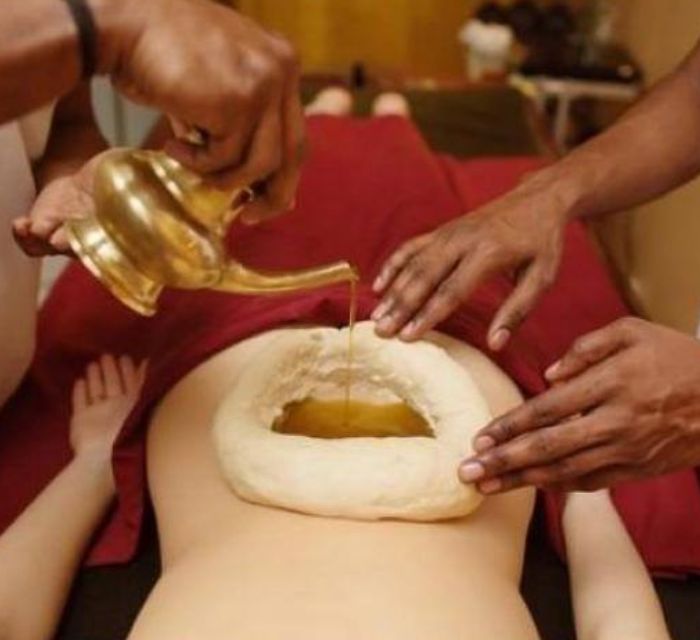
Pain management is a crucial aspect of healthcare that addresses various types of pain, from acute to chronic. Effective pain management is essential for improving the quality of life, enhancing mobility, and enabling individuals to perform daily activities without discomfort. This comprehensive guide explores various pain management strategies, focusing on Ayurvedic and modern techniques. Understanding Pain Types of Pain Acute Pain: Short-term pain resulting from injury, surgery, or illness. It typically subsides as the underlying cause heals. Chronic Pain: Long-term pain that persists for months or years, often resulting from arthritis, fibromyalgia, or neuropathy. Damage to the neurological system can result in neuropathic pain, which manifests as burning, tingling, or shooting pain. Nociceptive Pain: Arises from tissue damage or inflammation, commonly experienced with injuries or inflammatory conditions. Causes of Pain Various factors, including physical injury, surgery, medical conditions, nerve damage, and inflammation can cause pain. Psychological factors such as stress, anxiety, and depression can also contribute to the perception and severity of pain. Modern Pain Management Techniques Medications Analgesics: Over-the-counter pain relievers like acetaminophen and ibuprofen. Opioids: Prescription medications like morphine and oxycodone for severe pain. Antidepressants and Anticonvulsants: Used for neuropathic pain management. Physical Therapy Physical therapy involves exercises and techniques to improve mobility, strengthen muscles, and reduce pain. Therapists may use modalities like heat, cold, ultrasound, and electrical stimulation to enhance treatment outcomes. Interventional Procedures Injections: Corticosteroid injections to reduce inflammation and pain. Nerve Blocks: Anesthetic injections to block pain signals from specific nerves. Radiofrequency Ablation: Uses heat to disrupt nerve signals and reduce pain. Surgical Interventions In severe cases, surgical procedures may be necessary to correct underlying issues causing pain, such as spinal surgery, joint replacement, or nerve decompression. Ayurvedic Approaches to Pain Management Ayurveda, the ancient Indian system of medicine, offers holistic and natural approaches to pain management. It focuses on balancing the body’s energies and promoting overall health. Ayurvedic Principles According to Ayurveda, pain is caused by an imbalance in the body’s doshas: Vata, Pitta, and Kapha. Effective pain management involves restoring this balance through diet, lifestyle, and natural treatments. Herbal Remedies Turmeric (Curcumin): Known for its anti-inflammatory and analgesic properties. Ashwagandha: Helps reduce inflammation and strengthen the body’s resilience to pain. Boswellia (Indian Frankincense): Reduces inflammation and pain, particularly in conditions like arthritis. Ayurvedic Therapies Abhyanga (Massage Therapy): Using warm herbal oils to massage the body, reducing pain and improving circulation. Panchakarma: A detoxification and rejuvenation therapy that includes treatments like Virechana (purgation), Basti (enema), and Nasya (nasal administration of herbs). Kati Basti: A specialized treatment for lower back pain involving the application of warm herbal oil in a dough ring placed on the lower back. Dietary and Lifestyle Recommendations Ayurveda emphasizes a balanced diet and lifestyle to manage pain. It includes consuming anti-inflammatory foods, staying hydrated, practising regular exercise, and incorporating stress-reducing practices like yoga and meditation. Combining Modern and Ayurvedic Approaches Integrating modern and Ayurvedic approaches can offer a comprehensive pain management plan that addresses symptoms and underlying causes. Here are some ways to combine these approaches: Consultation with Healthcare Providers: Work with conventional and Ayurvedic healthcare providers to create a personalized pain management plan. Complementary Therapies: Use Ayurvedic therapies like massage and herbal treatments alongside traditional medications and physical therapy. Lifestyle Modifications: Incorporate Ayurvedic dietary and lifestyle recommendations to support overall health and enhance the effectiveness of modern treatments. Case Studies and Success Stories Case Study 1: Managing Arthritis Pain A 55-year-old woman with chronic arthritis pain found relief through a combination of Ayurvedic and modern treatments. She used prescribed anti-inflammatory medications and engaged in physical therapy exercises. Additionally, she incorporated Ayurvedic herbal supplements like turmeric and Boswellia into her routine. Regular Abhyanga massage sessions further helped reduce pain and improve mobility. Case Study 2: Post-Surgical Pain Management A 40-year-old man recovering from spinal surgery benefited from an integrated approach to pain management. Along with prescribed pain medications, he practised yoga and meditation to reduce stress and promote healing. Ayurvedic therapies like Kati Basti were used to alleviate lower back pain and support recovery. Conclusion Effective pain management requires a comprehensive approach that addresses both the symptoms and underlying causes of pain. Ayurvedic therapies, herbal remedies, and lifestyle modifications can complement modern techniques such as medications, physical therapy, and surgical interventions. By integrating these approaches, individuals can achieve better pain relief, improved quality of life, and overall well-being. For more information on Ayurvedic treatments and wellness tips, visit Lifewin.

Panchakarma treatment for skin diseases
Blog

Panchakarma Treatment for Skin Diseases

Panchakarma Treatment for Skin Diseases Skin conditions are a widespread problem for people of all ages in today’s environment. These illnesses, which range from psoriasis and dermatitis to acne and eczema, can seriously decrease a person’s quality of life. While modern medicine offers various treatments, many adopt ancient holistic healing practices. One such approach is Panchakarma, a cornerstone of Ayurvedic medicine that detoxifies the body and promotes overall wellness. This blog explores the benefits of Panchakarma treatment for skin diseases provided by Lifewin, a leader in Ayurvedic healing. Understanding Panchakarma Panchakarma translates to “five actions” in Sanskrit, referring to therapeutic procedures to clean the body of toxins (ama) accumulated due to poor diet, lifestyle, and environmental factors. The five critical processes involved in Panchakarma are: Vamana (Therapeutic Vomiting): Induces vomiting to eliminate excess kapha dosha and mucus. Virechana (Purgation): Promotes bowel movement to cleanse the intestines and remove pitta dosha. Basti (Enema): An essential procedure that balances the vata dosha and detoxifies the intestines is basti (enema). Nasya (Nasal Administration): This procedure delivers herbal oils or powders through the nasal passage, cleansing the head and neck area. Raktamokshana (Bloodletting): Bloodletting, or Raktamokshana, is a less popular yet powerful blood detoxification technique mainly used for particular skin disorders. These processes work synergistically to restore balance and health to the body, making Panchakarma an effective treatment for various skin diseases. The Role of Panchakarma Treatment for Skin Diseases Panchakarma addresses the root cause of skin diseases rather than merely alleviating symptoms. Here’s how it helps: Detoxification Toxins in the body can manifest as skin issues, including acne, eczema, and psoriasis. Panchakarma treatments, particularly Vamana and Virechana, help eliminate these toxins, leading to clearer skin. By cleansing the body, you can often see significant improvements in skin health.   Balancing Doshas According to Ayurveda, skin diseases are often a result of imbalanced doshas (Vata, Pitta, and Kapha). Each dosha has a distinct purpose in maintaining body functions: Vata governs movement and circulation. Pitta is responsible for metabolism and transformation. Kapha provides structure and moisture. Panchakarma helps restore balance among various doshas, correcting the underlying imbalances contributing to skin disorders.   Nourishing the Skin Panchakarma treatments often include the application of herbal oils and pastes that nourish the skin. Treatments that help hydrate and revitalize the skin, such as Shirodhara (oil applied to the forehead) and Abhyanga (a full-body oil massage), enhance the texture and appearance of the skin. Stress Reduction Stress can significantly exacerbate skin issues. Panchakarma employs various therapies to promote relaxation and relieve tension, enhancing mental and emotional well-being. This all-encompassing method not only aids in stress management but also complements the management of ailments such as psoriasis, resulting in a discernible decrease in symptoms. Strengthening Immunity Panchakarma not only detoxifies but also strengthens the immune system. A robust immune system can help prevent skin diseases and ensure quicker healing for existing conditions. The holistic approach of Panchakarma boosts overall health, leading to vibrant skin. Common Skin Diseases Treated with Panchakarma Panchakarma can effectively address various skin diseases, including: Acne Excess oil production, hormonal imbalances, and toxins often cause acne. Panchakarma treatments help detoxify the body, balance hormones, and reduce inflammation, leading to clearer skin. Eczema Eczema is characterized by dry, itchy patches on the skin. The nourishing treatments in Panchakarma, combined with detoxification, can alleviate symptoms and promote healthier skin. Psoriasis Red, scaly patches are a symptom of the inflammatory disease psoriasis. Panchakarma, which detoxifies the body and balances the immune system, may lessen the intensity of symptoms. Dermatitis Whether contact dermatitis or seborrheic dermatitis, Panchakarma’s holistic approach addresses the underlying causes, relieving discomfort and promoting healing. Hyperpigmentation This condition, resulting from excess melanin production, can be treated with Panchakarma’s detoxification processes and herbal remedies that promote an even skin tone. The Panchakarma Treatment for Skin Diseases Process at Lifewin At Lifewin, we believe in providing a personalized Panchakarma experience tailored to each individual’s needs. The process begins with a thorough consultation to understand your medical history, lifestyle, and specific skin concerns. Based on this assessment, our skilled practitioners design a customized treatment plan that may include: Initial Assessment: A comprehensive evaluation of your dosha balance and skin condition. Detoxification Procedures: A combination of Vamana, Virechana, and Basti to eliminate toxins from the body. Nourishing Treatments: Application of herbal oils and pastes to rejuvenate and hydrate the skin. Lifestyle and Dietary Guidance: Recommendations on diet and lifestyle modifications to support long-term skin health. Follow-up Care: Regular follow-ups to monitor progress and make necessary adjustments to the treatment plan. Benefits of Choosing Lifewin for Panchakarma Treatment Choosing Lifewin for your Panchakarma treatment offers numerous advantages: Expert Practitioners: Our team comprises experienced Ayurvedic doctors and therapists dedicated to your health and well-being. Personalized Care: We tailor our treatments to suit your needs, ensuring optimal results. Holistic Approach: We focus on healing the mind, body, and spirit, promoting overall wellness. Comfortable Environment: Our facilities are designed to provide a serene and relaxed experience throughout your treatment journey. Proven Results: Many clients have experienced significant improvements in their skin conditions after undergoing Panchakarma. How to Get Started Panchakarma Treatment for Skin Diseases If you are ready to explore the transformative effects of Panchakarma for skin diseases, Lifewin is here to help. Our expert team is committed to guiding you to better skin health and overall well-being. Don’t let skin diseases keep you from feeling your best! Contact Lifewin today to schedule your consultation and discover how Panchakarma can rejuvenate your skin and restore your confidence. Call us at +91-8595786909 or visit our website at www.lifewin.com to book an appointment. Conclusion for Panchakarma Treatment for Skin Diseases Panchakarma treats skin conditions holistically, addressing the outward signs and the underlying reasons. This age-old method can significantly enhance skin health by nourishing the skin, cleansing the body, and harmonizing doshas. At Lifewin, we’re committed to giving you individualized, potent treatments that will enable you to have beautiful, healthy skin. Today, go down the path to rejuvenation! Additional Diseases Addressed by Panchakarma Panchakarma Treatment for Vitiligo Panchakarma Treatment For Body Cleansing Panchkarma Tretment

Scroll to Top