Life win

Author name: Kuldeep

Vamana Treatment
Blog

Vamana Treatment

Vamana Treatment, A Deep Dive into Ayurvedic Cleansing Rituals In holistic wellness, Ayurveda, the ancient Indian system of medicine, offers a treasure trove of therapeutic practices to restore balance and harmony to the body, mind, and spirit. Among these practices, Vamana treatment is a profound cleansing ritual with deep-rooted benefits for detoxification and rejuvenation. In this comprehensive guide, we embark on a journey into  Vamana panchakarma treatment, exploring its principles, procedures, and transformative effects with LifeWin, a leading advocate of holistic health and wellness. Understanding Vamana Treatment Vamana, one of the five purification therapies (Panchakarma) in Ayurveda, is a therapeutic procedure to eliminate excess Kapha dosha—the elemental force responsible for stability and lubrication—from the body. Through controlled emesis induced by medicinal substances, Vamana treatment cleanses the upper respiratory tract, digestive system, and channels of elimination, thereby promoting detoxification, metabolic balance, and overall well-being. The Principles of Vamana Therapy Vamana treatment is rooted in the fundamental principles of Ayurveda, which emphasize the interconnectedness of the body, mind, and spirit and the importance of maintaining equilibrium among the three doshas—Vata, Pitta, and Kapha. According to Ayurvedic philosophy, imbalances in the doshas can manifest as physical ailments, emotional disturbances, and mental unrest. Vamana therapy seeks to restore harmony by targeting excess Kapha dosha and purifying the body at a deep cellular level. The Procedure of Vamana Treatment The process of Vamana treatment begins with a comprehensive consultation with Ayurvedic practitioners at LifeWin, who assess the individual’s constitution (Prakriti), current health status, and specific concerns to determine the suitability and efficacy of Vamana therapy. Following the consultation, a personalized treatment plan is devised, which may include dietary modifications, herbal preparations, and lifestyle recommendations to prepare the body for purification. On the day of the Vamana procedure, the individual undergoes a preparatory phase (Purvakarma), which involves oleation (Snehana) and fomentation (Swedana) therapies to liquefy and mobilize toxins accumulated in the body. Once the body is adequately prepared, the individual receives a carefully calibrated dose of emetic substances, typically administered orally under the supervision of experienced Ayurvedic physicians. best ayurvedic doctor in ghaziabad The emetic substances induce controlled vomiting, expelling excess Kapha dosha and accumulated toxins from the stomach and upper respiratory tract. Throughout the process, skilled therapists from LifeWin support the individual, providing comfort, encouragement, and guidance to ensure a safe and effective cleansing experience. Following the emesis, the individual undergoes a period of rest and recovery, gradually reintroducing nourishing foods and beverages to replenish the body’s reserves and support post-treatment recovery.   The Transformative Effects of Vamana Therapy Vamana treatment offers many transformative effects on physical, mental, and emotional levels, promoting holistic wellness and vitality. Some of the key benefits of Vamana therapy include: 1. Detoxification and Cleansing Vamana treatment facilitates the elimination of toxins, impurities, and metabolic waste products accumulated in the body, thereby purifying the tissues and organs and restoring optimal physiological function. By clearing congestion in the respiratory and digestive systems, Vamana therapy enhances metabolic efficiency, promotes nutrient absorption, and supports overall detoxification. 2. Balancing of Doshas Vamana therapy helps restore balance among the doshas, particularly excess Kapha dosha, which is associated with stagnation, congestion, and lethargy. By pacifying Kapha dosha, Vamana treatment alleviates symptoms of congestion, heaviness, and sluggishness while promoting lightness, clarity, and vitality throughout the body and mind. 3. Improved Digestion and Metabolism Vamana therapy stimulates the digestive fire (Agni) and enhances metabolic function, improving digestion, assimilation, and elimination of food and waste products. By optimizing digestive processes, Vamana treatment supports the efficient conversion of nutrients into energy, enhances tissue nourishment, and promotes metabolic balance. 4. Respiratory Health and Vitality Vamana treatment clears congestion and stagnation in the upper respiratory tract, lungs, and sinuses, promoting respiratory health and vitality. By expelling excess mucus, phlegm, and allergens, Vamana therapy relieves symptoms of respiratory congestion, asthma, allergies, and sinusitis while improving lung function and enhancing tissue oxygenation. 5. Mental Clarity and Emotional Balance Vamana therapy purifies the mind and senses, promoting mental clarity, emotional stability, and spiritual well-being. By removing physical toxins and energetic blockages, Vamana treatment enhances the flow of prana (life force energy) throughout the body, calming the mind, uplifting the spirit, and fostering inner peace and tranquillity. Incorporating Vamana Treatment into Holistic Wellness At LifeWin, Vamana treatment is offered as part of a comprehensive approach to holistic wellness, which integrates Ayurvedic principles, therapeutic modalities, and lifestyle interventions to promote health and vitality. Through personalized consultations, customized treatment plans, and ongoing support, LifeWin empowers individuals to embark on self-discovery, self-care, and self-transformation, unlocking their full potential for optimal well-being. Conclusion: Embracing the Wisdom of Vamana Treatment with LifeWin Vamana treatment represents a profound healing ritual deeply rooted in the ancient wisdom of Ayurveda, offering transformative benefits for detoxification, rejuvenation, and holistic wellness. With LifeWin as your guide and ally on the path to well-being, you can experience Vamana therapy’s profound healing and transformative power, unlocking the secrets to vibrant health, vitality, and inner harmony. Embrace the wisdom of Vamana treatment with LifeWin and embark on a journey of self-discovery, healing, and transformation today. Ayurvedic Doctor in Ghaziabad

Leech Therapy
Blog

Leech Therapy: Discover the Healing Wonders with Dr. Anuj Tyagi

In today’s fast-paced world, people are seeking more natural and effective ways to heal the body. One of the most ancient yet powerful techniques making a strong comeback is Leech Therapy. Guided by the expertise of Dr. Anuj Tyagi, a renowned specialist in holistic and alternative medicine, this natural therapy is transforming lives with minimal side effects and remarkable results. What is Leech Therapy? Leech Therapy, also known as Jalaukavacharan in Ayurveda, involves using medicinal leeches to suck out impure blood from the body. This process not only removes toxins but also stimulates healing in targeted areas. Dr. Anuj Tyagi specializes in this technique, offering it as a painless and effective solution to various chronic and skin-related diseases. History and Origin of Leech Therapy The origins of Panchakarma Therapy trace back over 2,500 years. Ancient Egyptians, Greeks, and Indian Ayurvedic practitioners used this therapy to balance bodily fluids and treat numerous disorders. In modern times, Dr. Anuj Tyagi is reviving this age-old treatment with updated medical protocols, ensuring both safety and effectiveness. How Leech Therapy Works During Panchakarma Therapy, carefully selected medical-grade leeches are placed on the affected area of the body. Once attached, the leech releases saliva containing more than 100 bioactive compounds such as: These natural substances help reduce pain, increase blood circulation, and promote tissue regeneration. Under the expert care of Dr. Anuj Tyagi, this entire process is conducted in a sterile and controlled environment. Benefits of Leech Therapy Patients who undergo Leech Therapy with Dr. Anuj Tyagi often report the following benefits: Panchakarma Therapy not only treats symptoms but also supports the body’s natural healing system. Dr. Tyagi’s personalized approach ensures that each patient receives the most suitable care. Why Choose Dr. Anuj Tyagi for Leech Therapy? Dr. Anuj Tyagi is a respected name in the field of Ayurveda and natural healing. His expertise in Leech Therapy stands out due to: Whether you’re new to Panchakarma Therapy or looking for a reliable expert, Dr. Tyagi provides a trustworthy and result-oriented approach. Conditions Treated by Leech Therapy Some of the most common conditions treated using Leech Therapy include: What to Expect During a Leech Therapy Session A typical session with Dr. Anuj Tyagi involves: The entire Panchakarma Therapy session usually lasts between 30 minutes to an hour. Is Leech Therapy Safe? Under professional supervision, Leech Therapy is absolutely safe. Dr. Anuj Tyagi ensures: Patients are guided through all do’s and don’ts for a safe healing journey. Testimonials “I suffered from chronic varicose veins for years. After 3 sessions of Leech Therapy with Dr. Anuj Tyagi, I experienced tremendous relief.”– Pooja S., Delhi “My psoriasis patches significantly reduced after taking Leech Therapy from Dr. Tyagi. Highly recommended!”– Rahul M., Ghaziabad FAQs About Leech Therapy Q1: Is Leech Therapy painful?No, most patients report only a mild tingling or pinching sensation when the leech attaches. The process is virtually painless. Q2: How many sessions of Leech Therapy are needed?It depends on your medical condition. Some patients benefit after 2-3 sessions, while others may need more for chronic issues. Q3: Are there any side effects of Leech Therapy?Minor swelling or itching may occur, which subsides in a day or two. Under Dr. Anuj Tyagi’s care, all precautions are taken to minimize discomfort. Q4: Can anyone undergo Leech Therapy?It is generally safe, but not recommended for individuals with anemia, bleeding disorders, or compromised immune systems. A consultation with Dr. Tyagi is mandatory before starting. Q5: How do I book a Leech Therapy session with Dr. Anuj Tyagi?You can contact his clinic directly or visit his website to book an appointment and learn more about the treatment options. Final Thoughts Leech Therapy is an ancient gift to modern medicine, and with Dr. Anuj Tyagi’s expertise, it becomes a safe and highly effective treatment option for a wide range of conditions. Whether you’re battling chronic pain, skin diseases, or blood circulation issues, Leech Therapy could be the natural solution you need.

Shashtika Shali Pinda Swedana
Blog

Discovering the Best Ayurvedic Massage: A Journey to Holistic Wellness

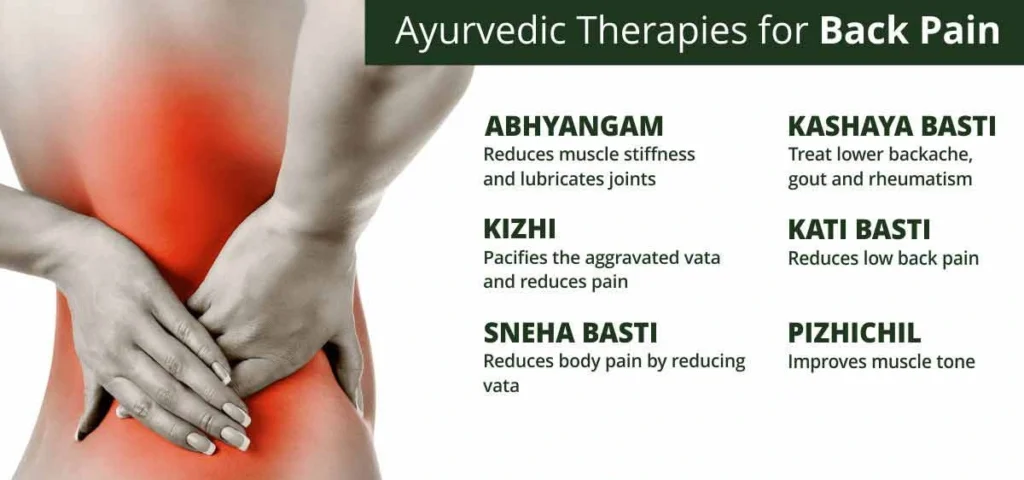
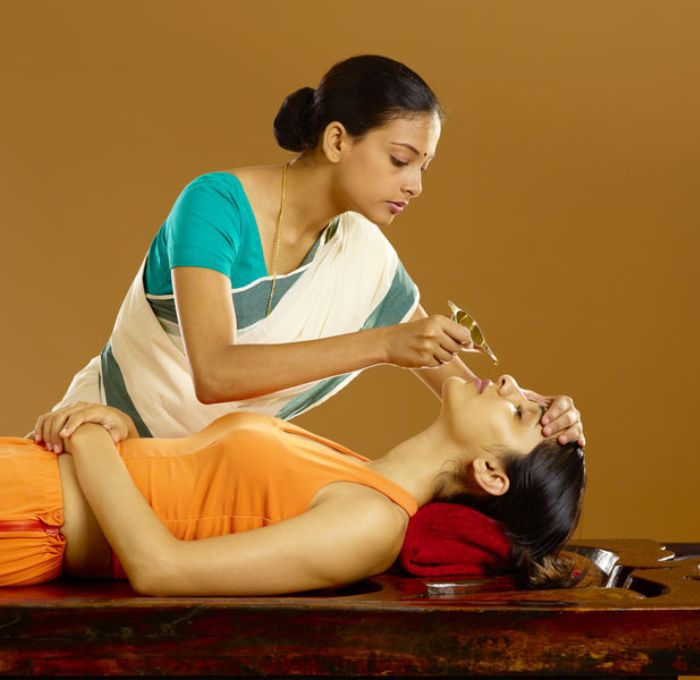
Ayurvedic massage, an integral part of Ayurveda, the ancient Indian system of medicine, is renowned for its ability to promote holistic wellness. This guide delves into the best Ayurvedic massage practices, highlighting their principles, benefits, techniques, and how to choose the right one for your needs. Understanding Ayurvedic massage can significantly enhance your health and well-being, whether you’re seeking relaxation, stress relief, or therapeutic benefits. The Essence of Ayurveda What is Ayurveda? Ayurveda, meaning “the science of life,” is a 5,000-year-old natural healing system rooted in India’s Vedic culture. It emphasizes balance among the mind, body, and spirit and categorizes individuals into three primary doshas: Vata, Pitta, and Kapha. Each dosha governs specific physiological functions and characteristics, and maintaining balance is crucial for health. Importance of Doshas in Ayurveda Vata Dosha: Associated with air and space, Vata governs movement, breathing, and circulation. Pitta Dosha: Comprising fire and water elements, Pitta controls digestion, metabolism, and energy production. Kapha Dosha: Consisting of earth and water, Kapha is responsible for structure, strength, and immunity. Ayurvedic massage therapy aims to restore and maintain the balance among these doshas, promoting overall well-being. Understanding Ayurvedic Massage Ayurvedic massage uses specific techniques, herbal oils, and rhythms to balance the doshas, relieve stress, and promote health. It integrates physical manipulation with medicinal oils tailored to the individual’s doshic constitution.   Types of Ayurvedic Massage   Abhyanga: A full-body massage using warm herbal oils, it nourishes the skin, enhances circulation, and promotes relaxation. Shirodhara: Involves a steady stream of warm oil poured onto the forehead, calming the mind and reducing stress. Pizhichil: Combines oil and heat therapy by pouring warm oil over the body while massaging, relieving pain and promoting overall health. Udvartana: A deep tissue massage using herbal powders detoxifies the body and improves skin health. Garshana: A dry massage with raw silk gloves that stimulates the lymphatic system and exfoliates the skin. Kansu: Focuses on massaging the feet with a small metal bowl, balancing the body’s energies and promoting sleep. Benefits of Ayurvedic Massage Physical Benefits Improved Circulation: Enhances blood flow and nutrient delivery to tissues. Detoxification: Eliminates toxins from the body. Pain Relief: Alleviates muscle and joint pain. Enhanced Skin Health: Nourishes the skin and improves its texture. Mental and Emotional Benefits Stress Reduction: Reduces stress and anxiety. Improved Sleep: Enhances sleep quality by promoting relaxation. Mental Clarity: Increases focus and mental clarity. Spiritual Benefits Energy Balance: Balances the body’s energy channels. Emotional Release: Promotes emotional healing and well-being. Choosing the Best Ayurvedic Massage Understanding Your Dosha Before selecting an Ayurvedic massage therapy, it’s important to understand your dosha. A qualified Ayurvedic practitioner can help determine your doshic constitution and identify any imbalances that need addressing. Consultation with a Practitioner A thorough consultation with an experienced Ayurvedic practitioner is essential. They can recommend the most suitable therapy based on your health needs and goals. Evaluating the Therapist’s Qualifications Ensure that the therapist has proper certification and training in Ayurvedic massage. Look for practitioners with experience and a good reputation in the field. Personalization of Treatment The best Ayurvedic massage therapy is personalized to your specific needs. It includes selecting the appropriate herbal oils, techniques, and massage duration. Reading Reviews and Testimonials Reading reviews and testimonials from other clients can provide insights into the therapist’s skills and the effectiveness of their treatments. Integrating Ayurvedic Massage into Your Wellness Routine Regular Sessions –Incorporating regular Ayurvedic massage sessions into your wellness routine can have long-lasting benefits. Depending on your needs, weekly or monthly sessions may be recommended.   Supporting Lifestyle Practices – Ayurvedic massage therapy works best with other practices, such as a balanced diet, regular exercise, yoga, and meditation.   Post-Massage Care   –After a massage session, it’s important to rest and stay hydrated. Follow your practitioner’s additional recommendations, such as dietary changes or herbal supplements.   Conclusion  Ayurvedic massage therapy offers a holistic approach to achieving health and wellness. By understanding your dosha, consulting with a qualified practitioner, and choosing the right type of massage therapy, you can experience the profound benefits of this ancient practice. For more information on Ayurvedic massage therapy and other holistic health practices, visit LifeWin.

Top 5 Panchakarma Therapies and Their Specific Health Benefits
Blog

Top 5 Panchakarma Therapies and Their Specific Health Benefits

Top 5 Panchakarma Therapies and Their Specific Health Benefits at LifeWin Panchakarma Center in Ghaziabad In the quest for holistic health and well-being, Panchakarma stands out as one of the most revered therapies in Ayurveda. Known for its profound detoxifying effects, Panchakarma aims to rejuvenate the body, mind, and spirit by removing toxins and restoring balance.    At LifeWin Panchakarma Center in Ghaziabad, we offer a range of Panchakarma therapies designed to address various health concerns and promote overall wellness. This blog explores the top five Panchakarma therapies and their specific health benefits, highlighting how they can make a significant difference in your life. What is Panchakarma? Panchakarma, which translates to “five actions” or “five treatments,” is a comprehensive Ayurvedic detoxification and rejuvenation program. It involves therapeutic procedures to cleanse the body of accumulated toxins (Ama) and restore its natural balance. The five core therapies in Panchakarma are Vamana (therapeutic vomiting), Virechana (purgation), Basti (enema), Nasya (nasal administration), and Raktamokshana (bloodletting). Each therapy has unique benefits and is tailored to individual needs based on dosha imbalances, health conditions, and overall wellness goals. 1. Vamana: Therapeutic Vomiting for Cleansing and Rejuvenation What is Vamana? The first panchakarma therapy is Vamana in the Top 5 Panchakarma Therapies. Vamana is a therapeutic vomiting process that expels excess Kapha (mucus) from the body. This procedure involves the administration of herbal preparations that induce controlled vomiting, helping to eliminate toxins from the upper gastrointestinal tract. Specific Health Benefits Clears Excess Mucus and Phlegm: Vamana is particularly beneficial for conditions associated with excess mucus, such as asthma, chronic bronchitis, and sinusitis. By expelling mucus from the respiratory and digestive tracts, it helps relieve congestion and improve respiratory function. Balances Kapha Dosha: In Ayurveda, Kapha dosha is associated with heaviness, coldness, and stagnation. Vamana helps balance Kapha by removing the accumulated mucus and toxins contributing to these imbalances. Improves Digestive Health: By cleansing the upper digestive tract, Vamana enhances the digestive fire (Agni) and improves overall digestion and nutrient absorption. Boosts Immunity: Regular Vamana therapy can strengthen the immune system by clearing toxins and improving the body’s natural defence mechanisms. At LifeWin Panchakarma Center in Ghaziabad, our skilled Ayurvedic practitioners ensure that Vamana therapy is administered safely and effectively, tailored to your specific health needs. 2. Virechana: Purgation for Deep Detoxification What is Virechana? The second panchakarma therapy is Virechana in the Top 5 Panchakarma Therapies. Virechana is a purgative therapy designed to cleanse the digestive system and eliminate toxins through controlled purgation. It involves using herbal laxatives to induce bowel movements and remove accumulated toxins from the lower gastrointestinal tract. Specific Health Benefits Detoxifies the Liver and Gallbladder: Virechana is highly effective in cleansing the liver and gallbladder, which are crucial for detoxification and digestion. It helps remove excess bile and toxins and improves liver function. Relieves Constipation: By promoting regular bowel movements, Virechana alleviates constipation and supports overall digestive health. Balances Pitta Dosha: Virechana helps balance Pitta dosha, associated with qualities like heat and acidity. It reduces excess Pitta and alleviates symptoms such as acidity, gastritis, and inflammatory conditions. Enhances Mental Clarity: The detoxification effect of Virechana extends beyond physical health, leading to improved mental clarity and emotional stability. LifeWin Panchakarma Center in Ghaziabad offers personalized Virechana treatmentsunder the guidance of our expert Ayurvedic doctors, ensuring a thorough and effective detoxification process. 3. Basti: Enema Therapy for Deep Cleansing and Rejuvenation What is Basti?   The third panchakarma therapy is in the Top five Panchakarma Therapies. Basti is an Ayurvedic enema therapy that involves administering medicated oils or decoctions into the rectum. It is designed to cleanse the colon, balance Vata dosha, and rejuvenate the body.   Specific Health Benefits   Balances Vata Dosha: Basti is particularly beneficial for balancing Vata dosha, which is associated with dryness, coldness, and irregularity. It helps alleviate conditions like constipation, dryness, and joint pain. Promotes Colon Health: By cleansing the colon, Basti improves bowel function, relieves constipation, and enhances nutrient absorption. Supports Detoxification: Basti aids in the removal of toxins from the lower digestive tract, promoting overall detoxification and rejuvenation. Improves Joint Health: Regular Basti therapy can benefit those suffering from joint pain and arthritis by reducing dryness and promoting lubrication of the joints. At LifeWin Panchakarma Chikitsa in Ghaziabad, our experienced practitioners administer Basti therapy with utmost care and precision, ensuring a safe and effective treatment experience. 4. Nasya: Nasal Therapy for Sinus and Respiratory Health What is Nasya?   Nasya is a therapeutic nasal administration of herbal oils or powders designed to cleanse and nourish the nasal passages, sinuses, and throat. It is particularly effective for conditions related to excess Kapha and respiratory issues.   Specific Health Benefits Clears Nasal Passages and Sinuses: Nasya helps in clearing mucus and congestion from the nasal passages and sinuses, providing relief from conditions like sinusitis, rhinitis, and nasal allergies. Enhances Respiratory Function: By improving the health of the nasal passages, Nasya supports overall respiratory function and alleviates symptoms of asthma and bronchitis. Balances Kapha Dosha: Nasya helps balance Kapha dosha, reduces excess mucus, and promotes overall respiratory health. Improves Mental Clarity: The therapy also benefits mental clarity and cognitive function by nourishing the sensory organs and enhancing overall well-being. Our Panchakarma Center in Ghaziabad provides customized Nasya treatments, using high-quality herbal preparations to ensure optimal results and patient comfort. 5. Raktamokshana: Bloodletting for Purification and Detoxification What is Raktamokshana? Raktamokshana is an Ayurvedic bloodletting therapy that purifies the blood and removes toxins from the body. It involves the controlled removal of a small amount of blood to cleanse the system and restore balance. Specific Health Benefits Detoxifies the Blood: Raktamokshana helps purify the blood, remove accumulated toxins, and improve overall health. Balances Pitta Dosha: The therapy is particularly effective in balancing Pitta dosha, which is associated with heat and inflammation. It helps in reducing symptoms of skin disorders, inflammation, and hyperacidity. Alleviates Skin Conditions: By detoxifying the blood, Raktamokshana can benefit those suffering from skin conditions like acne, eczema, and psoriasis. Enhances Overall Health: Raktamokshana’s purification effect

Swedana Therapy in Ghaziabad
Blog

Comprehensive Guide to Swedana Therapy in Ghaziabad: Benefits, Techniques, and Best Practices

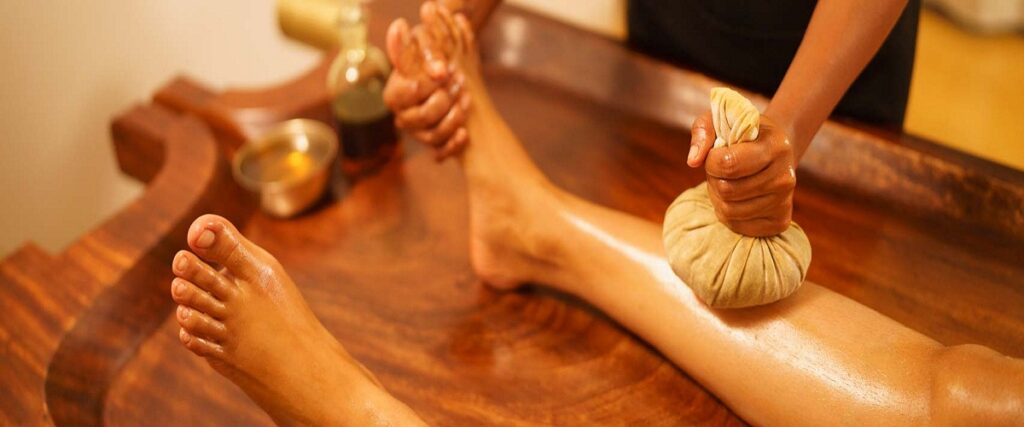
Swedana Therapy in Ghaziabad is integral to Ayurvedic medicine, known for its detoxifying and therapeutic benefits. Derived from the Sanskrit word “Sweda,” meaning sweat, Swedana therapy involves inducing sweat through various techniques to expel toxins from the body. This guide delves into the details of Swedana therapy, its benefits, methods, and where to find the best Swedana therapy in Ghaziabad. Understanding Swedana Therapy What is Swedana Therapy? Swedana Therapy in Ghaziabad is a form of Ayurvedic treatment that uses steam and heat to promote sweating. This process helps eliminate toxins from the body, improve circulation, and relieve various ailments. It is often used with other Ayurvedic treatments like Abhyanga (oil massage) to enhance effectiveness. Types of Swedana Therapy Bashpa Swedana (Steam Therapy): The most common form, where steam is generated from herbal decoctions and directed towards the body. Pinda Swedana (Bolus Therapy): Involves the application of heated boluses containing herbal ingredients. Nadi Swedana (Localized Steam Therapy): Uses a pipe or tube to direct steam to specific body parts. Ushma Swedana (Dry Heat Therapy): Uses dry heat from sources like hot sand or salt bags. Benefits of Swedana Therapy Detoxification One of the primary benefits of Swedana Therapy in Ghaziabad is detoxification. The induced sweating helps remove toxins from the body, promoting overall health and well-being. Improved Circulation The heat from Swedana Therapy in Ghaziabad enhances blood circulation, which helps deliver nutrients and oxygen to various body parts more efficiently. Relief from Pain and Stiffness Swedana Therapy in Ghaziabad effectively relieves pain and stiffness in the muscles and joints. It is particularly beneficial for individuals with arthritis and muscle spasms. Stress Reduction The therapy promotes relaxation and reduces stress. Its warmth and comfort have a calming effect on the mind and body. Enhanced Skin Health The sweating induced by Swedana therapy helps to cleanse the skin by opening pores and removing impurities, resulting in healthier and glowing skin. Techniques of Swedana Therapy Preparation Preparing the body before undergoing Swedana Therapy in Ghaziabad is essential. It often involves an oil massage (Abhyanga) using herbal oils to nourish the skin and tissues. Application of Heat Depending on the type of Swedana therapy, heat is applied to the body using steam, boluses, or other heat sources. The process is carefully monitored to ensure the temperature is comfortable and safe. Post-Therapy Care After the Swedana Therapy in Ghaziabad, it is crucial to rest and stay hydrated. Light meals and herbal teas are recommended to support the body’s detoxification process. Swedana Therapy in Ghaziabad Top Swedana Therapy Centers in Ghaziabad Life Win Ayurvedic Wellness Center Overview: Life Win offers comprehensive Swedana therapy sessions as part of their Ayurvedic treatment packages. They use traditional methods and high-quality herbal ingredients. Features: Experienced therapists, personalized treatment plans, and a serene environment. Ayurveda Kendra Overview: Known for its authentic Ayurvedic treatments, Ayurveda Kendra provides a range of therapies, including Swedana. They emphasize holistic healing and wellness. Features: Skilled practitioners, customized therapy sessions, and holistic approach. Jiva Ayurveda Clinic Overview: Jiva Ayurveda is a well-known chain of Ayurvedic clinics offering Swedana therapy, among other treatments. They combine traditional techniques with modern amenities. Features: Expert consultations, tailored treatments, and a focus on overall health. Choosing the Right Center When selecting a Swedana Therapy Centre in Ghaziabad, consider factors like the therapists’ experience, the quality of the herbal ingredients used, the ambience of the centre, and patient reviews. It is also beneficial to consult with an Ayurvedic doctor to determine the best therapy plan for your needs. What to Expect During a Swedana Therapy Session Initial Consultation A session usually begins with a consultation to assess your health condition and determine the appropriate type of Swedana therapy. The practitioner will consider your Dosha (body constitution), current health issues, and overall wellness goals. The Therapy Session Abhyanga (Oil Massage): The session often starts with an oil massage to prepare the body. Application of Heat: Depending on the chosen method, heat is applied to the body using steam, boluses, or other heat sources. Monitoring: The therapist will monitor the temperature and duration to ensure safety and comfort. Post-Therapy After the therapy, it is important to rest, stay hydrated, and follow any specific dietary or lifestyle recommendations the therapist provides. Safety and Precautions Who Should Avoid Swedana Therapy? Swedana therapy is generally safe, but certain individuals should avoid it, including: Pregnant women People with severe heart conditions Individuals with skin infections or open wounds Precautions Always consult with a qualified Ayurvedic practitioner before undergoing Swedana therapy. Ensure that experienced professionals perform the treatment to avoid any risks associated with excessive heat exposure. Conclusion Swedana therapy offers numerous health benefits, from detoxification and improved circulation to pain relief and stress reduction. For those in Ghaziabad, centres like Life Win Ayurvedic Wellness Center, Ayurveda Kendra, and Jiva Ayurveda Clinic provide excellent options for experiencing this traditional Ayurvedic treatment. By choosing a reputable centre and following the guidance of experienced practitioners, you can safely enjoy the benefits of Swedana therapy and enhance your overall well-being. For more information and to explore a range of Ayurvedic treatments, visit Life Win.

panchakarma treatment for high blood pressure
Blog

Panchakarma Treatment for High Blood Pressure

Best Panchakarma Treatment for High Blood Pressure in Ghaziabad Are You Looking for the Best Panchakarma Treatment for High Blood Pressure in Ghaziabad? High blood pressure, also known as hypertension, is a silent killer affecting millions of people worldwide. Often, people don’t even realize they have it until they experience serious health complications. While conventional medicine often relies on medications to manage high blood pressure, Ayurveda offers a more holistic approach to treating and even reversing this condition.  One of the most effective Ayurvedic therapies for high blood pressure is Panchakarma. In this blog, we’ll explore how Panchakarma can help manage high blood pressure, which dosha causes high blood pressure, and how an Ayurvedic diet plan for high blood pressure can aid in your journey to better health. What is High Blood Pressure? High blood pressure occurs when the force of blood against the walls of your arteries is consistently too high. It puts additional strain on your heart and can lead to serious health problems like heart disease, stroke, and kidney failure. Traditional treatments often involve medications to lower blood pressure, but these can sometimes have side effects. Understanding the Role of Doshas in High Blood Pressure According to Ayurveda, the body’s health is governed by three primary energies or doshas: Vata, Pitta, and Kapha. These doshas control various bodily functions, and an imbalance in any of them can lead to health issues. When it comes to high blood pressure, the Pitta dosha is primarily responsible. Pitta is associated with the elements of fire and water and governs the body’s metabolism, digestion, and overall heat. An imbalance in Pitta can lead to increased heat in the body, which in turn raises blood pressure. This imbalance often manifests as irritability, inflammation, and excess stress, all of which contribute to the development of hypertension. In Ayurveda, the goal is to bring balance back to the body’s doshas, specifically Pitta, to restore proper function and lower high blood pressure naturally. How Panchakarma Treatment Helps Manage High Blood Pressure Panchakarma is an ancient Ayurvedic detoxification process that uses natural therapies to cleanse the body, balance the doshas, and promote overall well-being. The treatment involves five therapeutic actions, including Vamana (therapeutic vomiting), Virechana (purgation), Basti (enema), Raktamokshana (bloodletting), and Nasya (nasal administration of medicated oils). These therapies work together to remove toxins (known as ama) from the body, reduce inflammation, and restore balance to the doshas. Here’s how Panchakarma treatment for high blood pressure can benefit those suffering from hypertension: Detoxification and Cleansing the Body Panchakarma works by detoxifying the body and removing accumulated toxins that may contribute to high blood pressure. When the body is free from impurities, the blood circulates more efficiently, helping to lower blood pressure. This cleansing process rejuvenates the body and brings the doshas back into balance. Calming the Pitta Dosha Since Pitta dosha is the primary cause of high blood pressure in Ayurvedic medicine, Panchakarma focuses on pacifying this dosha through various treatments. Shirodhara (a calming oil treatment for the forehead) and Abhyanga (therapeutic massage with warm oils) help to soothe the body and mind, reduce stress, and restore balance to the Pitta dosha. As Pitta is balanced, the blood pressure naturally begins to stabilize. Reducing Stress and Anxiety Stress is one of the major contributors to high blood pressure, and Panchakarma is known for its ability to reduce stress and anxiety. The treatments, which include Nasya (nasal therapies) and Virechana, promote deep relaxation, calm the nervous system, and help lower the body’s stress response, ultimately reducing hypertension. Improving Circulation and Heart Health Through the various therapies used in Panchakarma, blood flow and circulation improve significantly. Techniques like Basti (medicated enemas) and Raktamokshana (bloodletting) are designed to rejuvenate the cardiovascular system, lower cholesterol, and regulate blood pressure, promoting overall heart health. Ayurvedic Diet Plan for High Blood Pressure In Ayurveda, the food you eat plays a vital role in maintaining the balance of your doshas and supporting overall health. A Panchakarma diet plan focuses on nourishing the body while pacifying the Pitta dosha and reducing inflammation. An Ayurvedic diet for high blood pressure is designed to incorporate foods that promote calmness, soothe the heart, and improve circulation. Here’s an Ayurvedic diet plan to help manage high blood pressure: Include Cooling Foods To balance the Pitta dosha, it’s important to consume cooling, soothing foods. These include cucumbers, leafy greens, melons, and coconut. These foods help calm the internal heat that contributes to high blood pressure. Fruits and Vegetables A diet rich in fresh fruits and vegetables supports overall health and provides essential vitamins and minerals. Vegetables like bitter gourd, zucchini, and leafy greens are great choices for balancing blood pressure. Fruits such as apples, pears, and pomegranates are also beneficial for heart health. Whole Grains Whole grains like oats, barley, and quinoa help in stabilizing blood sugar and cholesterol levels, both of which are important for managing high blood pressure. Ayurveda recommends warm, cooked grains, which are easy on the digestive system and help maintain a balanced metabolism. Healthy Fats Including healthy fats, such as ghee and olive oil, in your diet can help support heart health and reduce inflammation. These fats help lubricate the arteries and ensure smooth blood circulation, which is essential for maintaining healthy blood pressure. Herbs and Spices Certain Ayurvedic herbs and spices can help regulate blood pressure. Ashwagandha, Brahmi, and Turmeric are powerful adaptogens that help reduce stress and inflammation. Adding garlic, ginger, and cumin to your meals can also enhance circulation and reduce hypertension. The Panchakarma Experience at LifeWin At LifeWin, we specialize in providing holistic Ayurvedic treatments, including Panchakarma therapy for high blood pressure in Ghaziabad. Our experienced Ayurvedic practitioners offer personalized consultations and create tailored treatment plans that focus on detoxification, dosha balancing, and overall well-being. Our Panchakarma Services Include: Virechana (Purgation) Abhyanga (Oil Massage) Shirodhara (Oil Therapy for Stress Relief) Basti (Medicated Enemas) Nasya (Nasal Therapy) Customized Ayurvedic Diet Plans for Blood Pressure Management Our goal is to provide

Kashaya vasti ayurvedic treatment
Blog

Vasti Ayurvedic Treatment: A Comprehensive Guide to Holistic Healing

Ayurveda, the ancient Indian system of medicine, is renowned for its holistic approach to health and wellness. Among its numerous therapeutic practices, Vasti (also known as Basti) is a powerful treatment for various ailments. Vasti is one of the Panchakarma therapies which aims to detoxify and rejuvenate the body. This comprehensive guide explores the principles of Vasti Ayurvedic treatment, its benefits, types, procedures, and how it can be integrated into modern wellness routines. By understanding Vasti, you can unlock the potential of this ancient therapy to enhance your overall health and well-being. Understanding Vasti in Ayurveda What is Vasti? Vasti Ayurvedic Treatment is an Ayurvedic therapeutic procedure that involves administering medicated oils or decoctions into the colon via the rectum. It is designed to cleanse and nourish the colon, which is considered the root of many health issues in Ayurveda. The colon is not only responsible for eliminating waste but also plays a critical role in the absorption of nutrients and the maintenance of overall health. The Importance of Vasti in Panchakarma Panchakarma is a set of five detoxification therapies in Ayurveda, and Vasti is one of the most crucial. The five therapies are Vamana (emesis), Virechana (purgation), Nasya (nasal administration), Raktamokshana (bloodletting), and Vasti (enema). Vasti is often called the ‘king of treatments’ because of its profound impact on health. It effectively balances the Vata dosha, which governs movement, communication, and the nervous system. Benefits of Vasti Ayurvedic Treatment Detoxification Vasti Ayurvedic Treatment helps eliminate toxins (ama) from the body, especially from the lower digestive tract. Detoxification can improve digestion, enhance nutrient absorption, and boost overall health. Balancing Vata Dosha Vasti Ayurvedic Treatment is particularly beneficial for pacifying the Vata dosha. An imbalance in Vata can lead to various issues, such as constipation, anxiety, joint pain, and neurological disorders. Vashti helps ground and stabilize the Vata dosha, improving physical and mental health. Improving Digestive Health By cleansing the colon, Vasti enhances digestive functions. It can alleviate constipation, bloating, and other gastrointestinal issues, promoting a healthy and regular bowel movement. Joint and Muscle Health Vasti Ayurvedic Treatment can be highly effective in treating musculoskeletal disorders. The medicated oils used in Vasti therapy help reduce inflammation, relieve pain, and improve mobility in conditions such as arthritis and rheumatism. Enhancing Immunity Regular Vasti treatments can strengthen the immune system by maintaining a healthy digestive tract and eliminating toxins. A robust immune system is essential for preventing infections and diseases. Mental Health Benefits Vasti Ayurvedic Treatment also offers significant benefits for mental health. It helps reduce stress, anxiety, and depression by balancing the nervous system and promoting mental clarity and relaxation. Types of Vasti Treatments Vasti Ayurvedic Treatment can be categorized into several types based on the substances used and the purpose of the treatment. Here are some of the primary types of Vasti: Anuvasana Vasti (Oil Enema) Anuvasana Vasti Ayurvedic Treatment involves the administration of medicated oils into the rectum. It is primarily used to nourish and lubricate the colon and to balance the Vata dosha. This type of Vasti is gentle and can be performed more frequently. Niruha Vasti (Decoction Enema) Niruha Vasti Ayurvedic Treatment uses herbal decoctions or mixtures of decoctions and oils. It is a more intensive form of Vasti and is typically used for detoxification and cleansing. Niruha Vasti effectively eliminates toxins and balances all three doshas (Vata, Pitta, and Kapha). Uttar Vasti Uttar Vasti Ayurvedic Treatment is a specialized form of Vasti administered through the urinary tract in men and the vaginal canal in women. It is used to treat urogenital disorders and improve reproductive health. Matra Vasti Matra Vasti Ayurvedic Treatment is a mild oil enema administered in small quantities. It is often used for maintenance and preventive care, providing the benefits of Vasti without intense detoxification. Shodhana Vasti Shodhana Vasti Ayurvedic Treatment is a cleansing enema that focuses on detoxifying the body. It uses a combination of decoctions, oils, and other herbal preparations to flush out toxins and balance the doshas. The Vasti Procedure The Vasti procedure involves several steps, each designed to ensure the treatment’s effective administration and maximize its benefits. Here’s an overview of the typical Vasti procedure: Pre-Treatment Preparation Before the Vasti treatment, the patient undergoes a preparatory phase known as Purva Karma. This phase includes Snehana (oleation) and Swedana (sudation). Snehana (Oleation): This involves applying oils internally and externally to loosen toxins and prepare the body for detoxification. Swedana (Sudation): This process involves sweating therapies to loosen toxins further and open the body’s channels. Administration of Vasti The main Vasti treatment is performed in a comfortable and relaxed environment. The patient is typically asked to lie on their left side, with their right leg bent at the knee. The medicated oil or decoction is then carefully administered into the rectum using a specialized Vasti instrument. Anuvasana Vasti: The oil is retained in the colon for a longer duration, allowing it to be absorbed and provide nourishment. Niruha Vasti: The decoction is usually retained for a shorter period, facilitating the flushing out of toxins. Post-Treatment Care After the Vasti treatment, the patient is advised to rest and avoid strenuous activities. A light, easily digestible diet is recommended to support the body’s detoxification process. Hydration is also crucial to aid in the elimination of toxins. Integrating Vasti into Modern Wellness Routines Vasti treatment can be effectively integrated into modern wellness routines to enhance overall health and well-being. Here are some tips on how to incorporate Vasti into your lifestyle: Consult an Ayurvedic Practitioner It’s essential to consult a qualified Ayurvedic practitioner before undergoing Vasti treatment. They can assess your constitution (Prakriti) and current health status (Vikriti) to determine the most suitable type of Vasti and the appropriate frequency of treatments. Follow a Balanced Diet A balanced diet that supports your dosha type is crucial for maximizing the benefits of Vasti. Focus on whole, organic foods that are easy to digest and avoid processed and refined foods. Maintain Regular Routine Consistency is key in

panchakarma treatment for male infertility
Blog

Panchakarma Treatment for Male Infertility

Best Panchakarma Treatment for Male Infertility in Ghaziabad Are You Looking for Panchakarma Treatment for Male Infertility in ghaziabad? – Infertility is a growing concern that affects millions of men and women around the world. While many associate infertility with women, male infertility is just as prevalent, affecting nearly 50% of all infertility cases. For men struggling with infertility, there is a natural and holistic solution that can help improve reproductive health and overall well-being—Panchakarma treatment. If you’re looking for an effective, side-effect-free approach to male infertility, LifeWin Clinic offers expert Panchakarma treatments that have been proven to help restore reproductive health. What is Male Infertility? Male infertility refers to a male’s inability to contribute to conception, either due to low sperm count, poor sperm motility, or other factors that hinder the fertilization process. Common causes of male infertility include: Low sperm count: A low number of sperm in the ejaculate. Poor sperm motility: Sperm that doesn’t move efficiently. Structural problems: Blockages or abnormalities in the reproductive organs. Hormonal imbalances: A lack of or excess of certain hormones can impair sperm production. Lifestyle factors: Smoking, alcohol consumption, stress, and poor diet can negatively impact sperm health. For many men, conventional treatments like medications or surgeries may not always provide the desired results. This is where Panchakarma—an ancient Ayurvedic detoxification therapy—comes into play. What is Panchakarma? Panchakarma is a comprehensive Ayurvedic treatment designed to detoxify the body, restore balance, and rejuvenate physical health. The name “Panchakarma” comes from two Sanskrit words: “Panch” meaning five, and “Karma” meaning actions. This treatment consists of five primary actions that work together to cleanse the body, improve organ function, and promote overall vitality. Panchakarma is particularly beneficial in treating conditions like male infertility, as it targets underlying causes such as toxins, hormonal imbalances, and stress. The five main components of Panchakarma include: Vamana (therapeutic vomiting): Used to expel excess mucus or toxins from the upper respiratory and digestive systems. Virechana (purgation): A cleansing process that removes toxins from the liver and intestines. Basti (medicated enema): A highly effective treatment for balancing the vata dosha and detoxifying the lower body. Nasya (nasal administration of medicated oils): Clears blockages from the sinuses and helps improve the health of the respiratory system. Raktamokshana (bloodletting): Used in certain cases to remove accumulated toxins in the blood. These therapies work synergistically to balance the body’s doshas, remove toxins, and promote optimal function of the reproductive organs. How Does Panchakarma Treatment for Male Infertility Help? Panchakarma has long been recognized for its therapeutic benefits in treating a variety of reproductive health issues, including male infertility. Here are some of the key ways in which Panchakarma can enhance male fertility: Detoxifies the Body and Improves Sperm Health One of the main causes of infertility in men is the accumulation of toxins (known as ama in Ayurveda) in the body. These toxins can affect sperm production, quality, and motility. Panchakarma therapies like Virechana and Basti work to detoxify the body by flushing out these harmful toxins, thereby improving sperm health and overall fertility. Enhances Hormonal Balance Male infertility can often be linked to hormonal imbalances, particularly low levels of testosterone or elevated estrogen levels. Panchakarma treatments help regulate the body’s hormone levels by improving liver function, reducing stress, and promoting the efficient function of the endocrine glands. By balancing the hormones, Panchakarma supports sperm production and sexual health. Reduces Stress and Improves Mental Health Mental and emotional stress can have a profound impact on male fertility. Stress disrupts hormonal balance and affects sperm production. Panchakarma focuses on restoring harmony to both the body and mind. Techniques like Nasya (nasal therapies) and Virechana help reduce stress, promote relaxation, and restore a sense of well-being. This not only improves physical health but also creates a more conducive environment for conception. Improves Circulation and Nutrient Delivery to Reproductive Organs Panchakarma therapies like Abhyanga (therapeutic oil massage) and Shirodhara (oil treatment for the forehead) improve circulation throughout the body, including the reproductive organs. Better circulation means more oxygen and nutrients are delivered to the testes, which in turn supports the production of healthy sperm. Strengthens the Immune System An often-overlooked factor in male infertility is a weakened immune system. Panchakarma helps boost immunity by cleansing the body and removing blockages. This enables the body to fight off infections, reduce inflammation, and create an optimal internal environment for fertility. Panchakarma Treatment for Male Infertility at LifeWin Clinic At LifeWin Clinic, we offer specialized Panchakarma treatments tailored to address male infertility and reproductive health. Our expert Ayurvedic practitioners conduct a thorough evaluation of your condition before recommending a personalized treatment plan. Our approach focuses on natural healing and addresses the root causes of infertility, offering long-lasting results. Step-by-Step Panchakarma Treatment for Male Infertility Process at LifeWin Clinic Initial Consultation: Our experienced Ayurvedic specialists will conduct a comprehensive health assessment, including your medical history, lifestyle, and fertility challenges. Customized Treatment Plan: Based on your individual needs, a personalized Panchakarma treatment plan will be designed. This plan will include dietary recommendations, lifestyle changes, and specific therapies that target male infertility. Detoxification Phase: The treatment begins with a detoxification phase, where toxins are removed from your body through Virechana, Vamana, and other techniques. This helps cleanse the reproductive organs and improve the quality of sperm. Rejuvenation Phase: Once the body is detoxified, the rejuvenation phase begins with therapies like Basti and Abhyanga, which work to restore energy levels, improve circulation, and enhance reproductive health. Post-Treatment Care: After the Panchakarma treatment, we offer guidance on maintaining a healthy lifestyle, including a balanced diet, stress management techniques, and Ayurvedic herbs to support fertility. Why Choose LifeWin Clinic for Panchakarma Treatment for Male Infertility? Expert Practitioners: At LifeWin Clinic, we have a team of certified Ayurvedic practitioners who specialize in male infertility and Panchakarma therapies. Personalized Care: We provide individualized treatment plans that are customized to address the specific causes of infertility and enhance your fertility potential. Holistic Approach: Our treatments not only focus

Panchakarma Treatment
Blog

Panchakarma Treatment: Unlocking Its Health Benefits

Health Benefits of Panchakarma Treatment Panchakarma is an ancient Ayurvedic detoxification treatment that aims to cleanse the body of toxins and restore its natural balance. It is rooted in the Indian healing system of Ayurveda, which emphasizes the balance of body, mind, and spirit to maintain health and wellness. Panchakarma involves procedures that can help rejuvenate the body in profound ways. Here are some of the critical health benefits associated with Panchakarma treatment. Detoxification At its core, Panchakarma is designed to cleanse the body deeply, removing toxins accumulated due to poor diet, chronic stress, and environmental pollutants. The treatment typically begins with preparatory procedures that liquefy and mobilize the toxins, followed by main procedures that eliminate them. This process helps to purify not just the physical body but also the mind and emotional state. Restores Digestive Health Ayurveda emphasizes the importance of digestion in overall health. Panchakarma promotes a balanced digestive fire (Agni), which is crucial for the efficient digestion, absorption, and assimilation of nutrients. Procedures such as Vamana (therapeutic vomiting) and Virechana (purgation) directly target the elimination of toxins and help improve metabolism, potentially alleviating chronic digestive issues such as bloating, constipation, and irritable bowel syndrome (IBS). Enhances Immune System By eliminating toxins and balancing the doshas (body energies: Vata, Pitta, and Kapha), Panchakarma can strengthen the immune system. This enhanced state of health helps the body defend against common infections and more severe conditions, thus promoting overall health and well-being. Reduces Stress Panchakarma includes profoundly relaxing treatments like Shirodhara (gentle pouring of oil over the forehead) and Abhyanga (oil massage). These treatments help calm the nervous system, reduce stress, and alleviate anxiety and depression. Regular Panchakarma sessions can improve emotional resilience and enhance a sense of well-being. Promotes a Balanced State of Mind The mind-body connection is a critical component of Ayurveda. Panchakarma treatments can help harmonize the body and mind, improving mental clarity and cognitive function. This mental balance is conducive to better decision-making and a more peaceful mind. Improves Skin Quality The detoxification effects of Panchakarma also affect the skin. By cleansing the body from the inside, the skin becomes more transparent, softer, and radiant. Many people report a reduction in acne, eczema, and psoriasis following Panchakarma treatments. Weight Management Although not a weight loss program, Panchakarma can help manage body weight by improving metabolism and eliminating toxins that can lead to excess body fat. Combined with dietary advice and lifestyle modifications, It can be a useful component of a weight management program. Revitalizes Energy Levels Many individuals report an increase in energy levels and vitality after undergoing panchakarma. It is likely due to the removal of energy blockages and the balancing of the doshas. Regular treatments can help maintain this energy boost and prevent the lethargy associated with toxin buildup. Conclusion Panchakarma treatment offers a systematic, customizable approach to enhancing health that has been refined over thousands of years. It provides benefits beyond the physical, offering mental clarity and emotional stability, contributing to overall longevity and quality of life. However, it’s essential to undertake these treatments under the guidance of a qualified Ayurvedic practitioner who can tailor the treatments to your individual constitution and health needs. As interest in holistic and preventive health care grows, Panchakarma remains a valuable tool for anyone seeking to restore balance and vitality. Read More Blogs Frequently Asked Questions (FAQs) 1. What is Panchakarma treatment? Panchakarma is an ancient Ayurvedic detoxification therapy that removes toxins from the body through five cleansing procedures. It helps restore balance, improve immunity, and enhance overall well-being. 2. How does Panchakarma work? Panchakarma works by eliminating deep-rooted toxins (ama) from the tissues using therapies like Vamana, Virechana, Basti, Nasya, and Raktamokshana. The treatment cleanses, rejuvenates, and revitalizes the body. 3. What are the major health benefits of Panchakarma? Panchakarma offers benefits such as improved digestion, reduced stress, enhanced immunity, relief from chronic pain, hormonal balance, better skin health, and improved mental clarity. 4. Who should take Panchakarma treatment? Anyone suffering from stress, digestive issues, body aches, lifestyle disorders, or toxin accumulation can opt for Panchakarma. It is also ideal for people seeking complete detox and renewal. 5. Is Panchakarma safe for everyone? Yes, Panchakarma is generally safe when done under a qualified Ayurvedic doctor. However, people with severe medical conditions or pregnancy should consult a physician before starting. 6. How long does a Panchakarma program take? A complete Panchakarma program usually lasts 7 to 21 days, depending on the individual’s body type, condition, and treatment plan. 7. Does Panchakarma help with weight loss? Yes, Panchakarma supports natural weight loss by improving metabolism, reducing toxins, balancing hormones, and enhancing digestion. 8. Are there any side effects of Panchakarma? Minor temporary effects like tiredness, headache, or lightness may occur as toxins leave the body, but these usually settle quickly. 9. What should I avoid during Panchakarma treatment? You should avoid heavy foods, junk food, alcohol, stress, late nights, and intense physical activities during the therapy for best results. 10. Can Panchakarma cure chronic diseases? Panchakarma does not “cure” all diseases, but it significantly helps manage chronic conditions like arthritis, migraine, asthma, skin disorders, and digestive issues by detoxifying and rejuvenating the body.

panchakarma treatment for paralysis patients
Blog

Panchakarma Treatment for Paralysis Patients

Panchakarma Treatment for Paralysis Patients Paralysis can be a life-altering condition, affecting not just physical capabilities but also emotional and psychological well-being. While conventional medicine has significantly progressed in treating paralysis, many patients are now turning to holistic approaches for comprehensive care. One such method that is gaining popularity is Panchakarma Treatment For Paralysis Patients.    At LifeWin Panchkarma Clinic in Ghaziabad, we specialize in this ancient Ayurvedic practice, offering healing and rehabilitation pathways. In this blog, we will explore how Panchakarma Treatment For Paralysis Patients works, its benefits, and why seeking the guidance of an Ayurvedic doctor in Ghaziabad can be the best decision for your recovery journey. Understanding Paralysis Paralysis is the loss of muscle function in one or more body parts. It can result from various conditions, including strokes, spinal cord injuries, multiple sclerosis, and neurological disorders. Symptoms can vary widely depending on the cause and extent of the paralysis but often include:   Loss of sensation Difficulty moving limbs Muscle weakness Loss of coordination and balance Pain and discomfort   Traditional treatments often involve medications, physical therapy, and sometimes surgery. However, these methods may only yield satisfactory results. It is where Panchakarma Treatment For Paralysis Patients steps in, offering a holistic approach to restore balance and promote healing. What is Panchakarma? Panchakarma is a cornerstone of Ayurvedic medicine, an ancient Indian healing system. The term “Panchakarma” translates to “five actions” or “five therapies,” referring to the five detoxification procedures designed to cleanse the body of toxins (ama) and restore its natural balance. These therapies include: Vamana (Therapeutic Vomiting) Virechana (Therapeutic Purging) Basti (Medicated Enema) Nasya (Nasal Administration of Medications) Raktamokshana (Bloodletting) Panchakarma Treatment For Paralysis Patients focuses on restoring the body’s natural functions, improving circulation, and alleviating symptoms associated with paralysis. How Does Panchakarma Benefit Paralysis Patients? Detoxification One of the primary goals of Panchakarma Treatment For Paralysis Patients is to detoxify the body. Accumulated toxins can obstruct energy flow (prana) and affect bodily functions. By purging these toxins, Panchakarma Treatment For Paralysis Patients promotes better circulation, which is crucial for recovery from paralysis. Restoration of Balance Panchakarma Treatment For Paralysis Patients aims to restore balance among the three doshas: Vata, Pitta, and Kapha. For paralysis patients, an imbalance in Vata dosha is often a significant concern, as it governs movement and coordination. Through various therapies, Panchakarma Treatment For Paralysis Patients helps re-establish this balance, enhancing mobility and overall well-being. Pain Relief Chronic pain is a common issue among paralysis patients. The treatments in Panchakarma Treatment For Paralysis Patients, such as Basti and Abhyanga (oil massage), are known for their analgesic properties. They help reduce inflammation, improve circulation, and alleviate pain, contributing to better mobility. Improved Muscle Strength Specific Panchakarma Treatment For Paralysis Patients focuses on strengthening weakened muscles. For instance, Basti treatments involve medicated oils that nourish and rejuvenate muscles, promoting strength and coordination in affected limbs. Enhanced Mental Well-being Living with paralysis can lead to emotional challenges, including depression and anxiety. The holistic approach of Panchakarma Treatment For Paralysis Patients addresses physical and mental health. By promoting relaxation and stress relief through treatments like Shirodhara (pouring warm oil on the forehead), Panchakarma Treatment For Paralysis Patients helps enhance emotional resilience. Holistic Approach Unlike conventional treatments that often focus on specific symptoms, Panchakarma Treatment For Paralysis Patients takes a holistic approach to healing. By addressing the root cause of the issue and promoting overall well-being, patients often experience significant improvements in their quality of life. Panchakarma Procedures at LifeWin Panchkarma Clinic At LifeWin Panchkarma Clinic in Ghaziabad, we offer a personalized Panchakarma Treatment For Paralysis Patients plan tailored to each individual’s unique needs. Here’s a closer look at the procedures involved in Panchakarma Treatment For Paralysis Patients:   Consultation with an Ayurvedic Doctor The journey begins with a thorough consultation with an Ayurvedic doctor in Ghaziabad. During this consultation, the doctor assesses the patient’s medical history, lifestyle, and health condition. This information is crucial for developing an individualized Panchakarma Treatment plan for paralysis patients.   Initial Detoxification The first step in the Panchakarma Treatment For Paralysis Patients process typically involves initial detoxification. It may include dietary recommendations and preparatory therapies to prepare the body for deeper cleansing.   The Five Therapies The core of Panchakarma Treatment For Paralysis Patients involves the five therapies mentioned earlier. Each therapy is performed under the supervision of qualified professionals to ensure safety and effectiveness.   Vamana: Therapeutic vomiting helps eliminate excess mucus and toxins from the respiratory tract and digestive system. Virechana: Purging helps cleanse the liver and gallbladder, improving digestive health. Basti: Medicated enemas nourish and strengthen the lower gastrointestinal tract, promoting overall vitality. Nasya: This therapy enhances mental clarity and addresses sinus-related issues by administering medicated oils through the nasal passages. Raktamokshana: If necessary, bloodletting removes stagnant blood and improves circulation.    Rejuvenation Therapy After the detoxification phase, rejuvenation therapies are introduced. These may include Abhyanga (therapeutic oil massage), Shirodhara, and Swedana (herbal steam therapy),  which are designed to nourish the body and restore vitality.   Lifestyle and Dietary Recommendations An essential part of the Panchakarma Treatment For Paralysis Patients process is guiding lifestyle changes and dietary adjustments. These recommendations aim to maintain the balance achieved during treatment and support long-term recovery. Why Choose LifeWin Panchkarma Clinic in Ghaziabad? When it comes to seeking Panchakarma Treatment For Paralysis Patients, LifeWin Panchkarma Clinic stands out for several reasons:   Expert Ayurvedic Doctors Our team comprises experienced Ayurvedic doctors in Ghaziabad specialising in Panchakarma  Treatment For Paralysis Patients and holistic healing. They are dedicated to providing personalized care and support throughout your treatment journey.   Comprehensive Treatment Plans At LifeWin, we recognize that each patient is unique. Our comprehensive Panchakarma Treatment For Paralysis Patients plans are not one-size-fits-all. They are meticulously tailored to your needs and conditions, ensuring you receive the care and attention you deserve for the best possible outcomes.   State-of-the-Art Facilities Our clinic at LifeWin is not just a place for treatment but a sanctuary for healing. We have invested in modern facilities and adhere to strict hygiene protocols to ensure a safe and comfortable environment for all our patients so you can focus on your recovery with peace of mind.   Holistic Approach to Health We believe in treating the whole person, not just the symptoms. Our holistic

Scroll to Top